




Let’s speed up on links in minerals and ‘rare earth’ metals engagement
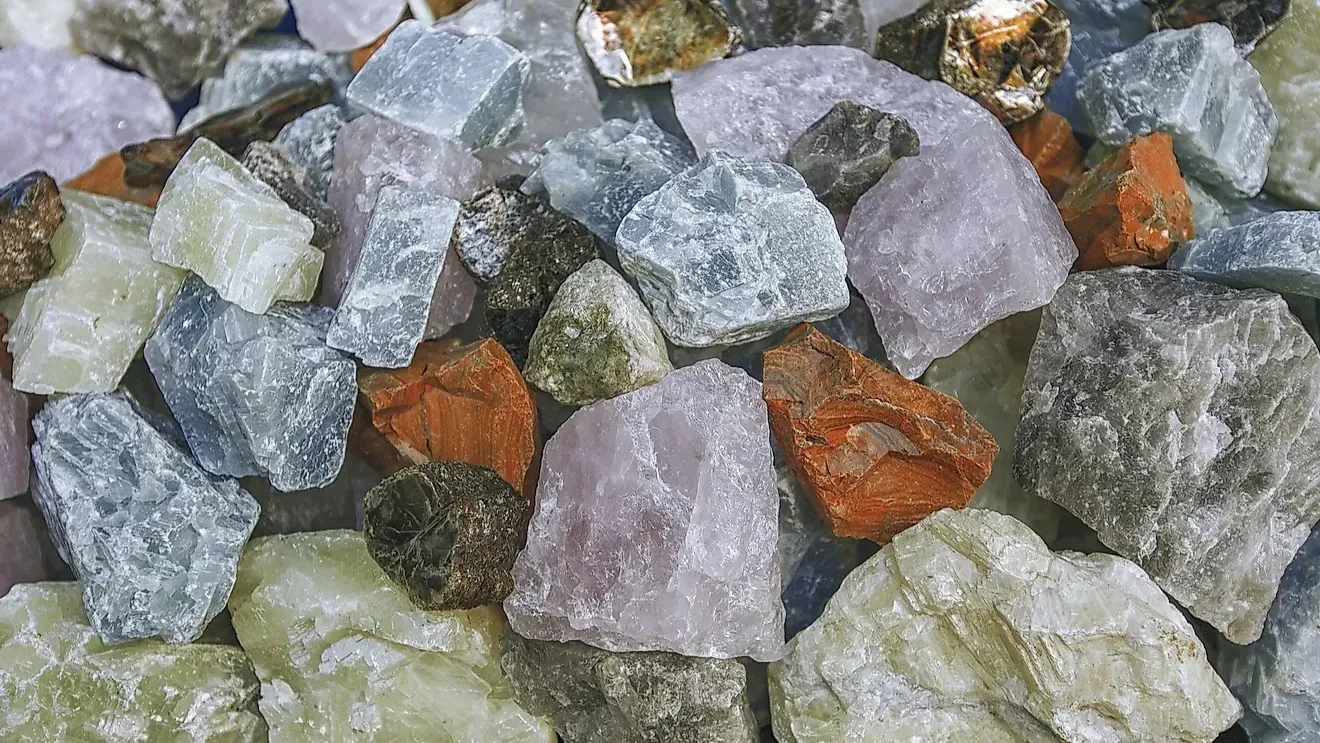
MOST technologically advanced or developed countries are busy seeking out sources of rare earth metals or a whole array of minerals of industrial use specifically, including traditional metals like copper or gold that aren’t so rare.
MOST technologically advanced or developed countries are busy seeking out sources of rare earth metals or a whole array of minerals of industrial use specifically, including traditional metals like copper or gold that aren’t so rare.
MOST technologically advanced or developed countries are busy seeking out sources of rare earth metals or a whole array of minerals of industrial use specifically, including traditional metals like copper or gold that aren’t so rare.
Tanzania is emerging as a fairly much-sought-after destination for investments in those spheres, especially from a number of Western countries.
There are known to have been earlier engagements including with Australia, while Canada is entering the rare earths field after taking prominent position such as in gold mining. This cooperation has been visibly assuming increasingly greater heights.
The world is understandably wary about having just one or two major countries dominating the sourcing of rare earth minerals vital for renewable energy as well as battery and microchip industries generally.
In any country where geological surveys seriously suggest that rare earths could be found, there will be quite a few takers interested in such projects.
Now, it appears that Africa has more than its ‘fair share’ of such minerals, which isn’t surprising for the continent even as in political or strategic terms it occupies several places down the ladder – more or less at the bottom.
Accordingly, Tanzania now looks quite important in that sphere much like the likes of the Democratic Republic of Congo (DRC).
Still, it is one thing to have the potential and quite another to exploit it to the full as investors are businesspeople with tight schedules, not interested in spending eight years fine-tuning or otherwise finalising taxation or other pacts agreement that could last weeks or even months.
Such a situation could easily stand as an astonishing illustration of the business as usual attitude which could keep cropping up during important negotiations despite being openly rejected by many government officials.
This has at times ben regardless of the nature of the deliberations characterising the negotiations forming part of the deals, complete with the sort of language used at media briefings in between sessions.
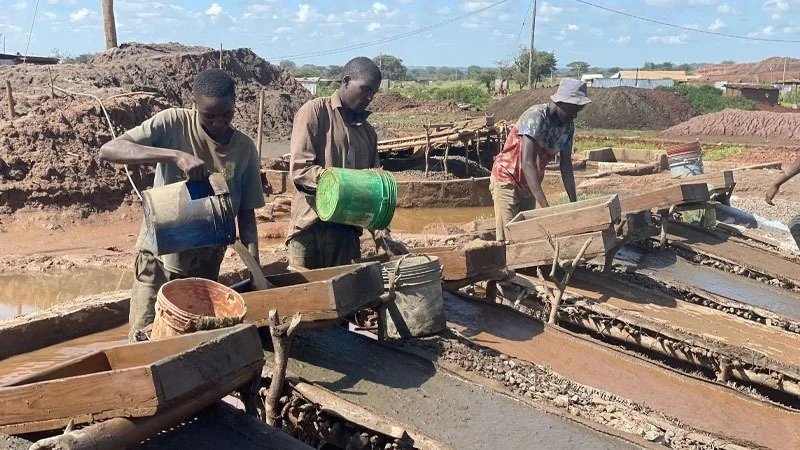
What is presented for public use might mostly suggest common agreement on the strengthening of partnerships in mineral exploration and modernisation of small-scale mining.
There would likely also be reference on modalities of unlocking the country’s vast potential in minerals, alongside the impact of all that on rural occupations or enhanced incomes generally.
It is not always the case that countries eyed for positive ‘exploitation’ by investors both local and foreign override the latter’s strategic interests.
Indeed, it does not always call for excessive surveillance or vigilance to distinguish genuine investors from the rest of the – and this at all stages of the negotiations, mainly as relates to exploration and development of rare earth elements and critical minerals.
Tanzanians now boast immense experience in this, and should not encounter any major stumbling blocks in keeping its focus on whatever dimension of the mainstay of whatever exchanges they are involved in their capacity as the country’s official representatives.
Top Headlines
Trending Stories












© 2026 IPPMEDIA.COM. ALL RIGHTS RESERVED