




Mideast conflicts could last decades, giving Africa a better chance to grow
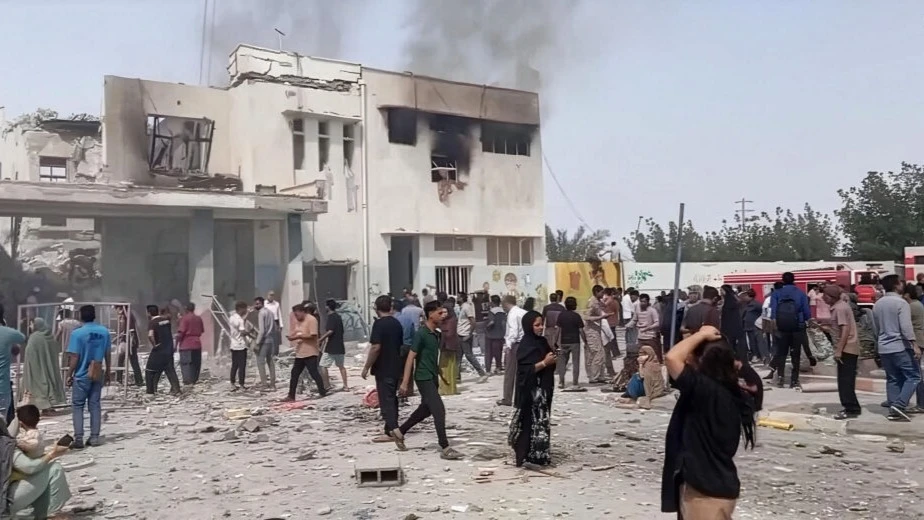
THERE is a way that self-made tragedy destroying an individual becomes a boon to another person, including in property inheritance.
At times such deaths are believed to be contrived to bring benefits to other persons, be it via a will or courtesy of insurance.
In Kiswahili there is an expression that death is a moment of benefit to other people as there is scarcely anyone who moves out of the world without anything to pass on to other people that could be auctioned or be otherwise used by another person.
In strategic studies the weaknesses of some countries help to enrich others, those with better marketing systems getting goods smuggled there to be sold outside – with their traders making a fortune in the smuggling.
There has been a silent contention for decades – and even centuries – for inviting countries to direct their deposits to particular places. When they veer off course, a nearby country or even a far-off place gains an advantage.
For instance, Beirut was coming up as a near-eastern financial centre in the 1960s and early 1970s but when the civil war erupted there, it was Singapore which gained, later followed by Mumbai and much later Dubai.
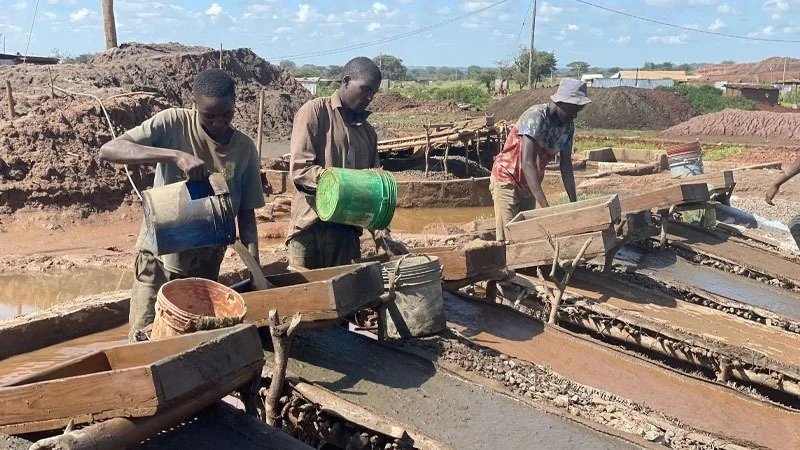
Meanwhile, perennial chaos in the Democratic Republic of Congo has for decades helped well-organised and often well-armed groups to lay siege and dictate the law over vast areas blessed with a wealth of exotic minerals in the east.
The Middle East is just about to offer similar lessons, with financial markets in the West brimming with funds to be invested around the world after nearly two decades of quantitative easing – loosening the grip on the printing of US dollars for anything bankable around the world.
Neither the Middle East zone nor indeed Africa has been stable in the course of the past half-century as each side has its cycles of instability and at times bitter civil wars.
But, on the whole, Africa looks like it is steadying in a predictable direction, while Middle East countries seemed gearing for long-term chaos arising from the resilience of the key sources of war and instability in the region.
The war that started at that time reminds students of European history of episodes like the Thirty Years War, the Hundred Years War, the Seven Years War and that sort of phenomena.
Mideast wars are such that no amount of suffering on the ground, nor indeed elimination of national leadership, changes things at the level of regime disposition or population loyalty.
That essentially means that a country will be ready to go through that same path ‘again and again’ unless common sense prevails. That is why it will be difficult for the entire Gulf Zone to stabilise and ‘return to normal’ over the current decade.
While none of this is easy to predict, attacks and counter-attacks on oil facilities, refineries or strategic industries make it imperative that only local organisations will sink funds into such outlays, while stable democracies are likely to gain from the chaos.
Africa may also see a spike in foreign capital inflows as a number of Diaspora members wishing to place savings or purchase property find the continent more settled despite its volatility especially during decisive elections.
Top Headlines
Trending Stories








© 2026 IPPMEDIA.COM. ALL RIGHTS RESERVED