




Poor fish catches trigger supply crisis, high prices
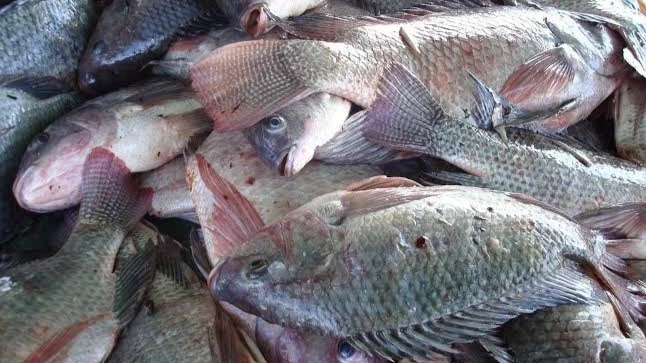
A sharp decline in fish stocks in Lake Victoria has stoked growing concern among traders, exporters and fishing communities, with stakeholders worried over unsustainable fishing practices and environmental pressures.
Fikiri Magafu, chairman of the large Kirumba fish market, said yesterday that the situation is threatening the long-term sustainability of East Africa's largest freshwater lake.
Industry players say the dwindling fish supply has disrupted business operations across the Lake Zone, driving up prices for consumers and increasing uncertainty for thousands of people who depend on the fisheries sector for their livelihoods.
Fish catches have fallen to worrying levels, with the decline linked to a combination of climate-related factors and unsustainable fishing practices, he said.
Changing weather patterns across the Lake Victoria basin have disrupted fish breeding habitats, resulting in a sharp reduction in the volume of fish being landed at major fishing beaches and supplied to regional markets.
Environmental changes alone do not explain the current situation as the rapid emergence of numerous informal fish markets across the Lake Zone has also altered the traditional marketing system, with many fishermen and traders now selling their catches directly at local beaches instead of transporting them to the Kirumba market.
"Fish markets have multiplied haphazardly across various beaches, hence a significant portion of the daily catch is diverted before reaching this central hub," he said. "This lack of centralised coordination makes it difficult to monitor volumes or enforce quality control."
Illegal fishing methods place enormous pressure on the fish population in using prohibited fishing gear like monofilament nets, plus destructive practices such as poisoning and dynamite fishing, accelerating the depletion of fish stocks.
The rising number of fishermen operating on the lake has further intensified pressure on the ecosystem, leaving fish populations with insufficient time to recover naturally amid rising demand for fish demand.
He acknowledged that fish catches traditionally decline during the colder months from July to September, when fish migrate into deeper waters but the current shortage is far more severe than the seasonal fluctuations normally experienced.
Despite the challenges, the Kirumba market plays a vital role in regional trade as a key distribution hub for fresh, smoked and dried fish products destined for local and nearby markets.
The decline in fish supply is already having a significant impact on traders, many of whom say wholesale prices have risen sharply over recent months.
Bugumba Magafu, a fried fish vendor at the Mwanza central market, said the shortage has doubled the cost of purchasing fish from wholesalers, pushing retailers to pass the higher prices on to consumers.
"Customers are complaining bitterly every single day," she said. "A single fish that we used to sell for around 2,000/- now sells at 4,000/- or slightly low while sardine that packs earlier selling for 500/- now fetch up to 1,000/-.
Periodic fishing restrictions imposed by the government are intended to allow fish stocks to recover, but supplies remain limited and prices rise, placing additional pressure on household budgets particularly for low-income families that have traditionally relied on fish as an affordable protein input.
Sweety Ally, a resident of Kishiri area, said many families were reducing or removing fish from their meals following a sharp rise in prices.
Fish, hitherto a common and affordable food for households living near the lake, has become increasingly difficult to purchase, with families seeking cheaper alternatives to meet their nutritional needs she said.
Stakeholders say addressing the crisis will require stronger enforcement against illegal fishing, improved management of fish markets and efforts to protect breeding grounds to ensure the long-term sustainability of fisheries.
Greater collaboration among government authorities, fishing communities and environmental agencies is needed to promote responsible fishing practices and restore fish populations, as failure to act could have serious economic and food security consequences for millions of people who depend on the lake across the East African region, observers affirm.
Top Headlines
Trending Stories



















© 2026 IPPMEDIA.COM. ALL RIGHTS RESERVED