




‘Strong El Niño, intense
end of year rains likely’

THE Tanzania Meteorological Authority (TMA) has predicted high likelihood of intense El Niño conditions during the 2026 end of year rainfall season, with above-normal to normal rains expected across much of northern Tanzania.
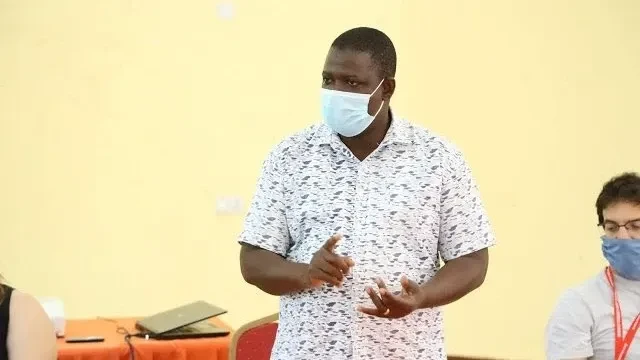
Dr Ladislaus Chang’a, the TMA director general, said at a press conference in Dar es Salaam yesterday that climate indicators point to strong El Niño conditions during the season, stretching from October to December.
“The indicators we are monitoring point to the likelihood of very strong El Niño conditions during the 2026 end of year rainy season, and this calls for early preparedness across all weather-sensitive sectors,” Dr Chang’a said.
Enhanced rainfall, particularly in November, could increase the risk of flooding, waterlogging, disease outbreaks and damage to infrastructure. Although the rains usually cease in December, this season off-seasonal rains are likely into January 2027 in many areas, he said.
TMA’s October-December 2026 outlook shows that above-normal to normal rainfall is expected across the Lake Victoria Basin, northern coast, north-eastern highlands and northern Kigoma, covering Kagera, Geita, Mwanza, Shinyanga, Simiyu, Mara, Arusha, Manyara, Kilimanjaro, Dar es Salaam, Tanga, northern Morogoro and Coast regions, including Mafia Island, as well as Unguja and Pemba islands, he stated.
Above-normal sea surface temperatures over the Central Equatorial Pacific indicate intense El Niño conditions, while warmer waters in the western Indian Ocean are expected to favour moderate to strong positive Indian Ocean bipolar conditions.
Tanzania experienced strong El Niño events during the 1982/83, 1997/98 and 2015/16 seasons, underscoring the need for early preparedness, as the first seasonal rains are expected over the Lake Victoria by late September or early October, while in Dar es Salaam, Tanga, Coast, northern Morogoro and the north-eastern highlands, rains are expected from the first and second weeks of October.
TMA also expects occasional rainfall in some areas early next month and an early onset of seasonal heavy rains in areas that normally begin receiving their main rains in November.
The expected rains could improve water availability and support agriculture, but excessive soil moisture and flooding could damage crops and infrastructure. Crop diseases affecting potatoes, sunflower, beans, sesame, fruits and vegetables are also expected to increase, he said.
Farmers need to prepare fields, plant on time, improve drainage, prevent soil erosion and water stagnation, while using appropriate seeds and farm inputs.
“The expected rains can provide favourable conditions for agricultural production, but excessive soil moisture and flooding could also affect crops, infrastructure and harvesting activities,” he explained.
Livestock keepers could benefit from improved pasture and water, but wetter conditions may increase diseases such as Rift Valley fever and foot rot. Seaweed farmers could also face disease and reduced production due to lower seawater salinity, he asserted.
Excessive rainfall could also push wildlife into neighbouring communities, increasing the risk of attacks by wild beasts and potential disease transmission.
Heavy rains could damage roads, bridges, railways, ports and airports through flooding and soil erosion. The construction sector could face delays, higher costs and damage to materials. Authorities have been advised to inspect infrastructure, while contractors should move heavy machinery away from low-lying and waterlogged areas, he emphasised.
In water, energy and mining, rising river and reservoir levels could improve water availability but increase risks of flooding, sedimentation and deteriorating water quality. Mining areas could face landslides and collapsing excavations.
The forecast has also raised concerns over waterborne and vector-borne diseases, where health authorities are advised to eliminate mosquito breeding sites, maintain medicine stocks and prepare contingency plans.
“We urge the public not to wait until heavy rains begin before taking action. Early preparedness can significantly reduce the impacts of flooding and other weather-related hazards,” he added.
Top Headlines
Trending Stories










© 2026 IPPMEDIA.COM. ALL RIGHTS RESERVED