




Portable TB testing kit in same-day results for Tanzania, Mozambique

A newly published international study conducted in Tanzania and Mozambique has found that a portable molecular testing system known as Truenat can provide same-day tuberculosis (TB) diagnosis.
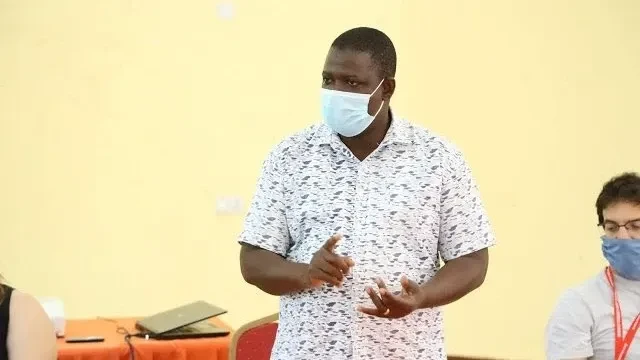
Dr Onduru Onduru, the research coordinator for the National Tuberculosis and Leprosy Programme, said of the findings recently published in the BMJ Global Health, that they offer a significant advance in the fight against one of the world's deadliest infectious diseases, particularly in resource-limited healthcare settings.
Tanzania has already begun expanding the use of portable molecular testing devices as part of its TB control programme with 1,859 TB diagnostic facilities equipped with 418 GeneXpert machines and 156 Truenat instruments.
This equipment outlay reflects ongoing efforts to decentralise diagnostic services beyond major referral hospitals, as the Truenat platform is widely accepted by healthcare workers, patients and policymakers for its ability to deliver rapid and reliable test results at the point of care.
Researchers noted that the technology has the potential to shorten the time taken in diagnosis and treatment, reducing the spread of tuberculosis while improving patient outcomes.
The evaluation was conducted under the TB-CAPT Consortium, an international research collaboration focused on expanding access to timely tuberculosis diagnosis in low-resource settings, he said.
Scientists from the Ifakara Health Institute, including Grace Mhalu, Thresphory Zumba and Jerry Hella worked alongside researchers from Germany and Mozambique to assess the technology under routine clinical conditions.
Unlike conventional laboratory-based diagnostic methods, which often require sputum samples to be transported to centralized facilities and can take several days or even weeks to produce results, Truenat enables molecular testing to be carried out directly at health facilities.
Researchers said the ability to diagnose TB on the same day reduces the need for repeated clinic visits, saving patients’ time and travel costs, particularly in rural and underserved communities.
The study also found that the portable system requires significantly less infrastructure than larger laboratory platforms such as GeneXpert. Researchers noted that Truenat can be deployed more easily in primary healthcare facilities because it does not depend on sophisticated laboratory environments or extensive supporting equipment. Healthcare workers who participated in the study reported that the device was easy to operate, while patients welcomed the faster turnaround time for receiving results.
Despite these advantages, the researchers identified supply chain challenges that could affect the sustainability of the technology. Shortages of testing cartridges and laboratory reagents were cited as major obstacles that could interrupt diagnostic services if procurement and distribution systems are not strengthened.
The study demonstrates the importance of bringing advanced diagnostic services closer to communities, as expanding molecular testing at primary healthcare facilities would strengthen Tanzania's tuberculosis control strategy.
It facilitates a shift from requiring patients to travel long distances for diagnosis to one that delivers services closer to where people live. Wider deployment of point-of-care testing is expected to reduce the number of patients lost before treatment begins, increase laboratory-confirmed TB diagnoses and help interrupt disease transmission within communities, the coordinator underlined.
The findings provide strong evidence to support broader adoption of portable molecular diagnostic technologies as part of efforts to improve access to timely tuberculosis detection and treatment across the country, he added.
Top Headlines
Trending Stories


















© 2026 IPPMEDIA.COM. ALL RIGHTS RESERVED