




EU-backed venture uses 225.6m/- in skills, start-up capital campaign

A TOTAL of 225.6m/- has been disbursed as subsidies to 25 approved small and medium enterprises in the lakeside city, with more than half of the beneficiaries being women-led businesses.
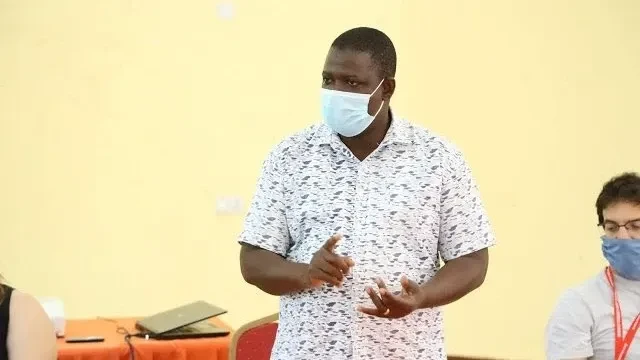
Kikolo Mwakasungula, project manager for the Inclu-Cities Project funded by the European Union and implemented by Enabel, a local NGO in collaboration with national and international partners, has focused on strengthening urban economies by linking skills development, business support systems and digital innovation to labour market demand in selected value chains.
At a press briefing here yesterday, he said that the project has widened access to finance for micro, small and medium-sized enterprises (MSMEs) through a blended finance mechanism aimed at reducing barriers to affordable capital.
|A number of other enterprises have also been connected to loan financing opportunities to support expansion and employment creation, as improving access to finance is critical to enabling entrepreneurs, particularly women, to grow their businesses, invest in productive activities and generate sustainable jobs, he stated.
The project has trained more than 600 young people from disadvantaged backgrounds through work-readiness programmes in marketable technical and vocational fields, including welding, electrical installation, fish farming, motorcycle mechanics and mobile phone repair, he stated.
A further 300 youths have completed continuous professional development and recognition of prior learning programmes, enabling them to obtain formal certification for skills they had previously acquired through informal practice, thereby improving their employability.
Stakeholder collaboration between employers and training institutions has also been strengthened through three skills development platforms, facilitating dialogue on labour needs and curriculum design. As a result, 12 market-responsive training curricula have been developed or updated, ensuring that those trained are better aligned with industry requirements.
Digital transformation remains a pillar of the intervention, with 231 small and medium enterprises adopting digital tools for business management and market access, while 947 youths and women were trained in digital literacy skills, significantly exceeding initial targets.
Over the implementation period, the Inclu-Cities Project has strengthened business support organisations, expanded access to finance, improved vocational training systems and enhanced digital skills among youths and women, while fostering closer collaboration between the public and private sectors.
As multi-partner development initiative, it is reporting significant gains in youth employment, women’s entrepreneurship and digital transformation in Mwanza, Tanga and Pemba regions with thousands of beneficiaries reached through skills training, finance support and institutional strengthening.
Significant progress has been made in strengthening business support organisations, expanding access to finance and equipping young people with employable skills while promoting digital adoption among small businesses.
One of the project's major achievements has been the digital transformation of business membership organisations, enabling them to improve service delivery, member engagement and operational efficiency.
Four economic support organisations in Mwanza, Tanga and Pemba have introduced digital membership management systems, making registration faster, improving communication with members and enhancing reporting capabilities.
These improvements have enabled increased membership across leading business associations like the Tanzania Women Chamber of Commerce (TWCC), the Tanzania Chamber of Commerce, Industry and Agriculture (TCCIA) and the Zanzibar National Chamber of Commerce (ZNCC) in their Mwanza and Pemba branches respectively reflecting growing confidence among entrepreneurs in institutional support services, the manager noted.
Top Headlines
Trending Stories













© 2026 IPPMEDIA.COM. ALL RIGHTS RESERVED