




Cashless and jobless society – the links to modernisation in sub-Saharan Africa
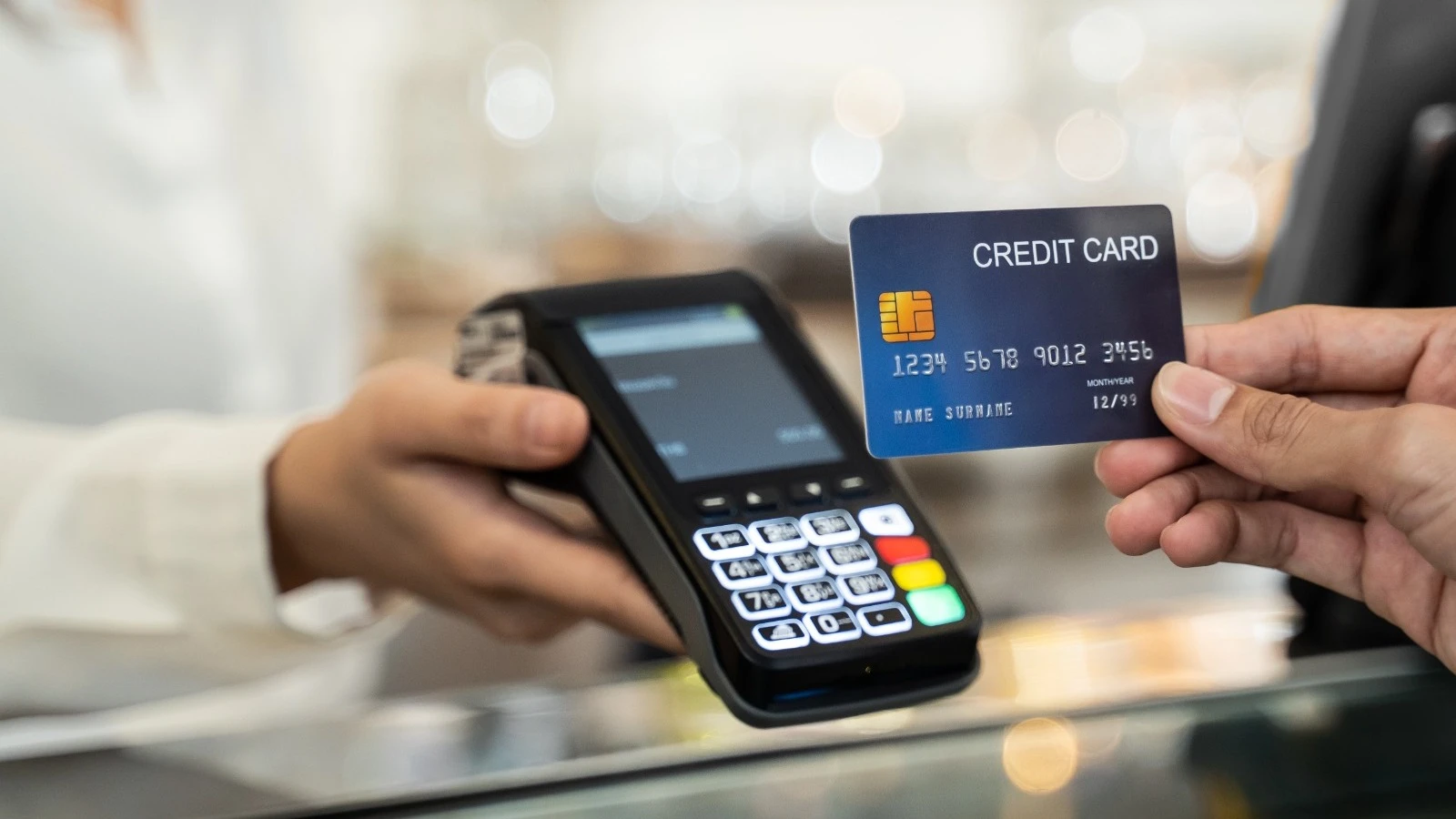
LISTENING to discussions or reactions to the recently tabled Budget estimates for the incoming financial year, one can be excused to appreciate the efforts being made to promote what is known as a cashless economy seemingly tied up with Vision 2050.
This overarching concern for ‘wallet modernisation’ arises from the fact that policy makers have largely put aside structural reforms in favour of technological uplift, in the faulty impression that everyone gains when society modernises.
The result is that costly proceedings will be undertaken to bring this into realisation, and enforcing such arrangements can be socially inhospitable.
The tax measures are not intended for modernisation per se but multiplying the number of interactions one has with cards in the course of a day’s payment schedule.
Each time one uses a card to pay, it would include fetching cash from an ATM before it is transferred to another person, where there would be another instance of taxation for using the card.
That is why the charming view of the issue as cashless can be misleading as it could also have also meant ‘taxful’ methods of payment – as it always involves a traceable transaction. When the sums involved are minimal, using cards for payment could easily be a misnomer.
A plethora of subsector spheres were asked to ensure that anyone participating in the trade would operate from a bank account.
That would be in that all purchases would be through bank accounts, whereas ordinarily this is a client-service provider arrangement when placing sums in an account proves more convenient.
If across one day the finance manager of a certain company has three batches of people to pay and a series of individuals, it would be inappropriate for them to be called to a company cash office for payment.
That could easily endanger cashiers or accounts officers sent on errands to pick up large bundles of banknotes at a nearby bank branch on a daily basis, as this too often invites ‘insider trading’ and robberies.
Should it be the contrary in that someone is doing a timber selling business, serving one person at a time, chances that he would need to have the client transferring the cash to his account would be negligible, as there would be no impediment to the transaction being done manually.
It is like when a corner shop attendant is told to use an electric fiscal device since, unlike at a supermarket, he may even be in a position to remember almost minutely with whom he made this or that sale and at what time.
That would apply if it so happened that there was a mishap and such recollection could assist with tidying up the issues. Selling manually at a supermarket is unworkable, while using an EFD (electronic fiscal device) at a corner shop would be like the case of a penniless person also carrying a SIM card to scratch!
When mentioned as policy suggestions, they can be of some excitement at the level of imagination, while making it mandatory would risk opening room for extortion – which, taken cumulatively, could significantly spoil the atmosphere for doing business.
Top Headlines
Trending Stories














© 2026 IPPMEDIA.COM. ALL RIGHTS RESERVED