




In licensing of groundwater use, it’s crucial to be hugely selective
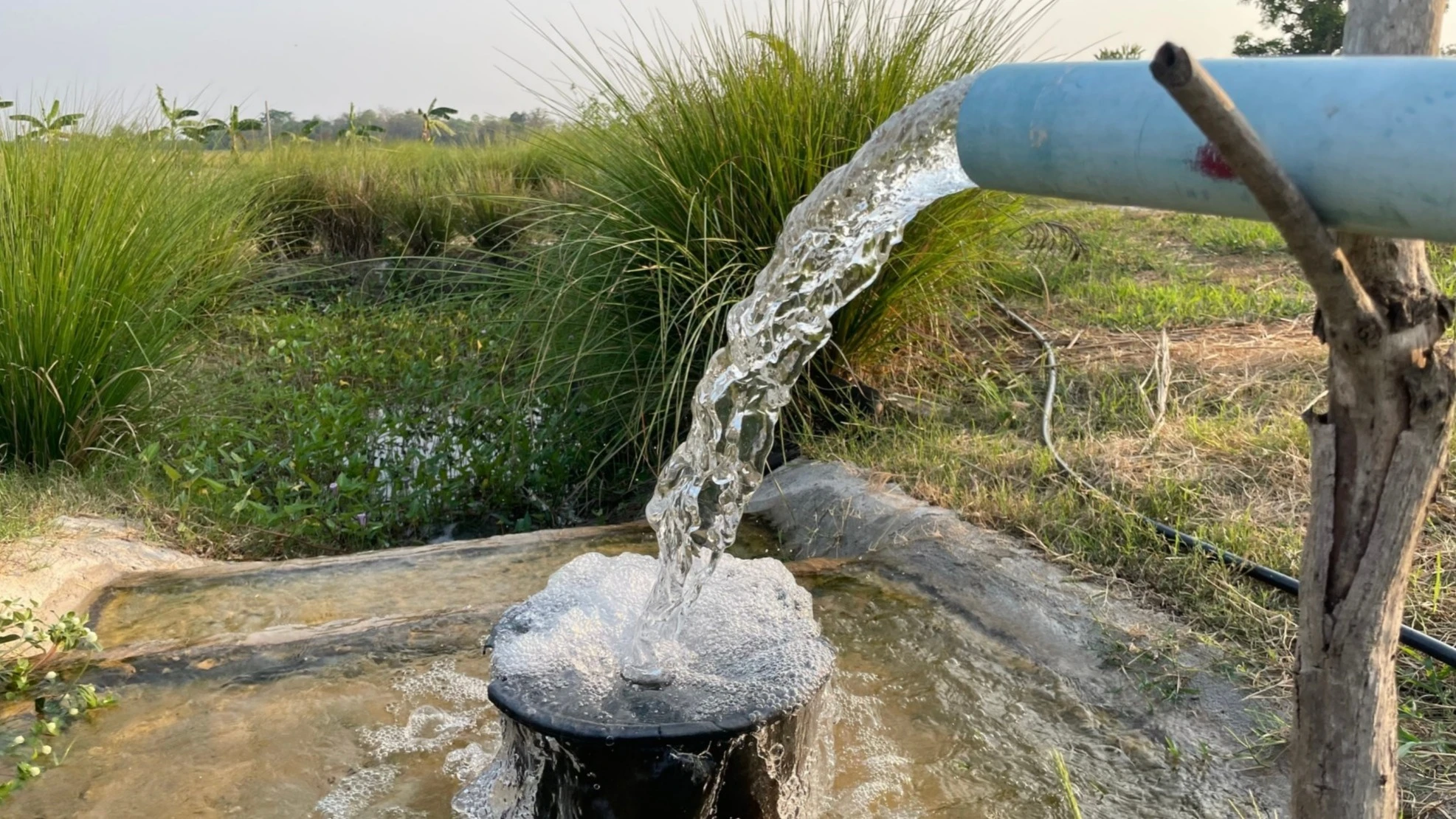
OPERATORS of water wells in Tanga District are under instruction to obtain licences for tapping groundwater use or face legal action – and at very short notice.
A top official of the Pangani Basin Water Board said that many of those concerned were using water without valid licences, resulting in losses of revenue for the government.
Yet, when the matter comes up, the public is pushed to think of the various issues related to using groundwater sources, not just on short-term revenue issues but also as relates to strategic concerns for stability of water supply generally – and where groundwater fits into the map of a national clean water supply strategy.
While the world generally hears more of tremendous storms and floods, it is by no means lost on experts and observers as a whole that these instances are often interspaced with extremely severe droughts, where groundwater is at times a necessary reservoir.
As the Pangani basin management oversight team was conducting an inspection standing as part of the Green Cities project to which a German environmental projects team is attached, it is likely that these concerns are embedded in the water use strategy and licensing conditions as a whole.
This aspect was however not fully visible, which in part reflects the low concern with sustainable use of underground water in thinking about water generally, while others think about it.
One such worry that comes up is that some Middle East countries are facing the need for extensive desalination of seawater for agro-sector projects, in which case they wish to start agro-sector projects in Africa.
They would do so using up river or lake waters and perhaps in some cases additionally take up underground water in an unlimited manner. Some experts are emphatic that underground water needs to be perennially replenished, which implies that wells basically need to be chiefly for domestic use.
There was a time that the Wami basin management restricted the use of river water for irrigation, the argument being that not enough water was flowing into the Ruvu water supply base primarily for use by Dar es Salaam city.
This was to suggest that, despite the rich presence of rivers, prolonged droughts suggested that regulations be instituted where desalination was envisaged where irrigation came up.
That would mean that it was decisive for project designers from developed countries to incorporate long-term water supply sustainability needs instead of going for an open market where ‘globalisation’ led to the sucking up of underground water to obviate desalination at home as well as hefty water bills for using pumped river water.
Groundwater is much like a savings account in a bank or a crucial reservoir with respect to our water needs, and water management bodies need to take care not to allow operators to obviate payment of regular water bills for massive pumping of underground water.
Top Headlines
Trending Stories












© 2026 IPPMEDIA.COM. ALL RIGHTS RESERVED