




Korean Embassy expands cultural outreach in Tanzania
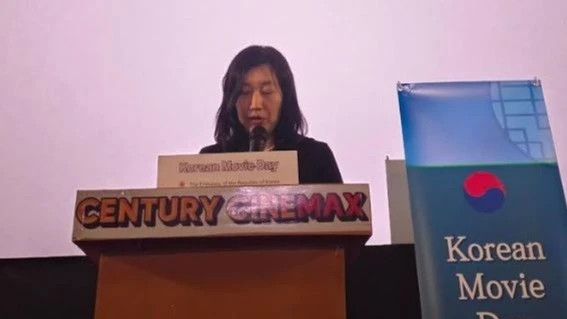
THE South Korean Embassy in Tanzania has stepped up efforts to promote Korean culture through a range of activities aimed at strengthening friendship and cultural ties between the two countries.
South Korean Ambassador to Tanzania, Eunju Ahn, made the remarks on Saturday during a Korean Movie Day event that attracted ambassadors from various diplomatic missions, business leaders, secondary school and university students, music enthusiasts, and members of the Korean diaspora in Tanzania.
The event was organised as part of the embassy's broader initiative to promote cultural exchange and deepen mutual understanding between the peoples of Tanzania and South Korea.
"The embassy has decided to organise Korea Movie Day in Tanzania to promote cultural exchanges and strengthen friendship between our two countries. Through films, we hope audiences can gain a deeper understanding of Korean culture and society," Ambassador Ahn said.
She noted that film serves as an effective medium for bringing people together through shared cultural experiences.
"Korean Movie Day is an excellent way to bring our peoples closer together. We carefully select movies that are well-crafted and tell compelling stories, introducing Tanzanians to Korea and its arts," she added.
Beyond entertainment, Ambassador Ahn said cinema offers audiences an immersive experience of Korean language, music, history, culture, landscapes and everyday life.
"Although films provide a second-hand experience, the two or three hours spent watching a Korean movie can offer an intense exposure to the country that would otherwise be difficult to obtain without visiting Korea in person," she explained.
The ambassador said the embassy intends to continue organising film screenings and other cultural programmes to further strengthen bilateral relations and introduce Tanzanians to various aspects of Korean culture and cinema.
According to her, Tanzania was chosen to host the event because of the growing interest in Korean culture among Tanzanians and the strong friendship that already exists between the two nations.
"We believe cultural exchanges can further strengthen our partnership by helping Tanzanians better understand Korean culture and discover potential areas of collaboration, including in the creative industries," she said.
Ambassador Ahn highlighted the significant role played by the Korean film industry in introducing Korea to global audiences. She cited the internationally acclaimed film Parasite, which won the Palme d'Or at the Cannes Film Festival and four Academy Awards, including Best Picture and Best Director.
She noted that Korean films and television dramas are now reaching audiences worldwide through streaming platforms, contributing to increased interest in visiting, studying and learning more about Korea.
"Korean movies play a major role in inspiring people around the world to visit Korea, learn about its culture or pursue studies there," she said.
The ambassador attributed the global popularity of Korean cinema to its distinctive storytelling and universal appeal. Unlike many mainstream productions, Korean films often avoid predictable storylines and formula-driven franchises.
"In Korean filmmaking, directors are given considerable creative freedom, particularly in arthouse cinema, where audiences expect to see the director's unique vision reflected throughout the final product," she explained.
She further observed that Korean films rarely revolve around larger-than-life heroes. Instead, they focus on psychology, human relationships, emotional depth and the complexities of everyday life.
"Korean cinema explores human experiences, life's unexpected twists and the mysteries of existence. Many films also incorporate a unique blend of serious themes and humour," she said.
While Korea produces films across a variety of genres, Ambassador Ahn noted that even genre productions often challenge conventional formulas. She added that Korea's film industry has achieved high standards in scriptwriting, acting, music composition, cinematography and editing.
"These strengths have helped Korean cinema gain widespread recognition and popularity among audiences around the world," she concluded.
Top Headlines
Trending Stories



















© 2026 IPPMEDIA.COM. ALL RIGHTS RESERVED