




Tanzanian students shine in historic Africa-Poland chess match in Zamosc
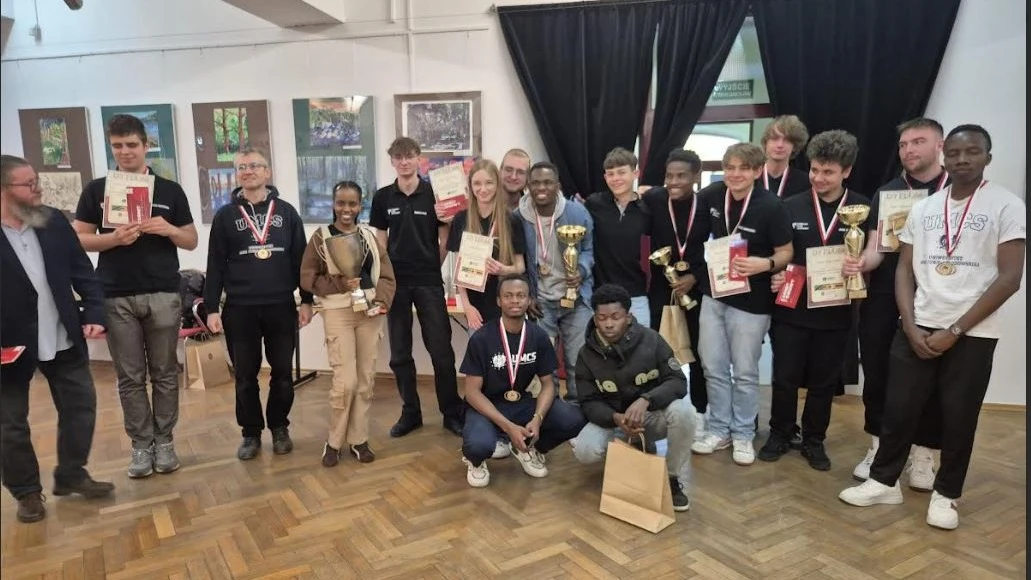
FOR many international students, studying abroad is not only about lectures, assignments and examinations. It is also about representing one’s country, building friendships across cultures and finding ways to stay connected to home while living thousands of kilometres away. That spirit was vividly displayed during the first-ever intercontinental chess match between Africa and Poland, held recently in the historic city of Zamosc in eastern Poland.
Among the competitors who proudly carried the African flag were four Tanzanian students studying in Poland: Cleophas Charles Mrope, Shinje Mnengeya Mjanasa, Devotha Pius Mboko and Ahmad Abdalla Ahmad. Their participation transformed the tournament into more than just a sporting contest - it became a story of young Tanzanians embracing opportunities abroad while showcasing their talent and determination on an international stage.
The event took place in Zamosc, a picturesque Renaissance city founded in 1580 by Jan Zamoyski, the secretary and Crown Hetman of the Polish king. Known for its beautiful architecture and cultural heritage, the city provided a fitting backdrop for a tournament aimed at bringing together players from different continents and backgrounds.
A total of 20 players participated in the event, including 12 young members of the Zamosc Chess Club and eight representatives from Africa. While players from Zimbabwe and Uganda were also part of the African delegation, the Tanzanian contingent attracted special attention because most of them were students pursuing higher education in Poland.
For these Tanzanian students, the competition represented a rare opportunity to combine academics with sport and cultural exchange. Living abroad often comes with challenges such as adapting to a new language, climate and lifestyle, but the tournament offered a platform where they could connect with fellow Africans and interact with Polish players through a shared passion for chess.
One of the most notable Tanzanian participants was Cleophas Charles Mrope, who entered the tournament as one of the top seeds with a FIDE rating of 1743. Mrope demonstrated composure and skill throughout the competition, proving why he was regarded as one of the strongest players in the field.
Devotha Pius Mboko also became one of the central figures of the tournament. As the only Tanzanian female player in the competition, Mboko showed courage and determination in her first-ever FIDE-rated event. Her participation highlighted the growing involvement of young Tanzanian women in chess, a sport traditionally dominated by men in many African countries.
Mboko’s final-round encounter against Polish player Diana Pasieczna drew significant attention. Both players were participating in their first FIDE-rated tournament, adding extra pressure and excitement to the match. Although Mboko managed to secure a promising position during the game, a late mistake allowed her opponent to recover and eventually win. Despite the defeat, Mboko’s performance throughout the tournament remained impressive and inspiring.
The tournament itself was played over nine rounds using the Swiss system, with each player receiving 15 minutes plus a 15-second increment from move one. The overall team result was determined by the combined scores of the best eight players from each side.
Although the African team featured some highly rated individuals, including Zimbabwean player Nyasha Phineas Marerwa and Tanzania’s Mrope, the Polish side benefited from greater depth and balance across their squad. Several Polish players possessed strong national chess categories and valuable tournament experience.
Still, the African representatives produced several memorable performances. Zimbabwe’s Marerwa dominated the tournament and finished undefeated to claim first place overall. Ronald Kahoka also impressed by securing third place after a series of strong performances against experienced opponents.
Yet beyond the results and standings, the tournament carried a deeper meaning for the Tanzanian students involved. It demonstrated how sport can create opportunities for young Africans studying abroad to represent their countries positively while building international friendships.
The event attracted media attention in Poland, partly because of its unique nature as the first chess match between African and Polish players on such a scale. It was co-organized by Andrzej Czochra, President of the Zamosc Chess Club, and Dr Konrad Czernichowski, a lecturer at Jordan University College in Morogoro who also represented Tanzania during the tournament.
Dr Czernichowski played an important role in bringing together the African participants and helping organize the event. His involvement reflected the growing academic and cultural links between Tanzania and Poland, especially through education exchange programmes that continue to attract Tanzanian students to European universities.
For many of the Tanzanian players, chess has become more than just a hobby. The game sharpens critical thinking, patience and strategic decision-making — skills that are equally valuable in academic life. Competing internationally also builds confidence and exposes players to different styles of play and cultures.
One of the most joyful moments for the Tanzanian delegation came when five players, including Mboko, earned the fourth Polish chess category during the competition. The achievement marked an important milestone, particularly for players who were participating in their first official international tournament.
The atmosphere throughout the event remained warm and friendly despite the competitive nature of the games. Players from Africa and Poland often stayed behind after matches to analyse games together, exchange ideas and discuss tactics. These interactions created friendships that extended beyond the chessboard.
Such experiences are especially meaningful for international students who are living far from home. Participating in sports and cultural activities helps them integrate into new communities while maintaining pride in their African identity.
The tournament also offered an opportunity to highlight the development of chess in Africa. Speaking after winning the competition, Zimbabwean champion Marerwa explained that the rise of chess in Zimbabwe had been driven by consistent support systems, international exposure and inspirational role models.
He pointed to Zimbabwe’s strong performances at global events such as the 2024 Chess Olympiad in Hungary and praised organizations like the Zim Chess Foundation for supporting young talent. Marerwa also mentioned legendary Zimbabwean player Robert Gwaze, who famously scored 9/9 at the 2002 Chess Olympiad, outperforming even world champion Garry Kasparov.
At the same time, Marerwa was careful to acknowledge the growing chess culture in Tanzania, praising the achievements and potential of Tanzanian players and students.
Indeed, Tanzania has witnessed increasing interest in chess in recent years, particularly among young people and university students. School competitions, local tournaments and international participation are slowly helping to raise the profile of the game across the country.
The participation of Tanzanian students in the Zamosc tournament therefore represents an encouraging sign for the future. Their presence showed that Tanzanian youth can compete confidently on international platforms while acting as ambassadors of their country.
Although Poland eventually won the team competition by 41.5 points to 31.5, the final score mattered less than the connections built during the event. Both teams received trophies and commemorative souvenirs, while Igor Osmolinski, the best-performing local player from Zamosc, received Tanzanian coffee as a symbolic gift.
For the Tanzanian students, the tournament will likely remain one of the most memorable experiences of their time abroad. Beyond the wins and losses, it provided lessons in resilience, teamwork and cultural understanding.
Most importantly, the event demonstrated that chess can serve as a bridge between nations, bringing together young people from different continents through mutual respect, learning and friendly competition.
Top Headlines
Trending Stories













© 2026 IPPMEDIA.COM. ALL RIGHTS RESERVED