




Tanzania develops green construction technologies to combat climate change
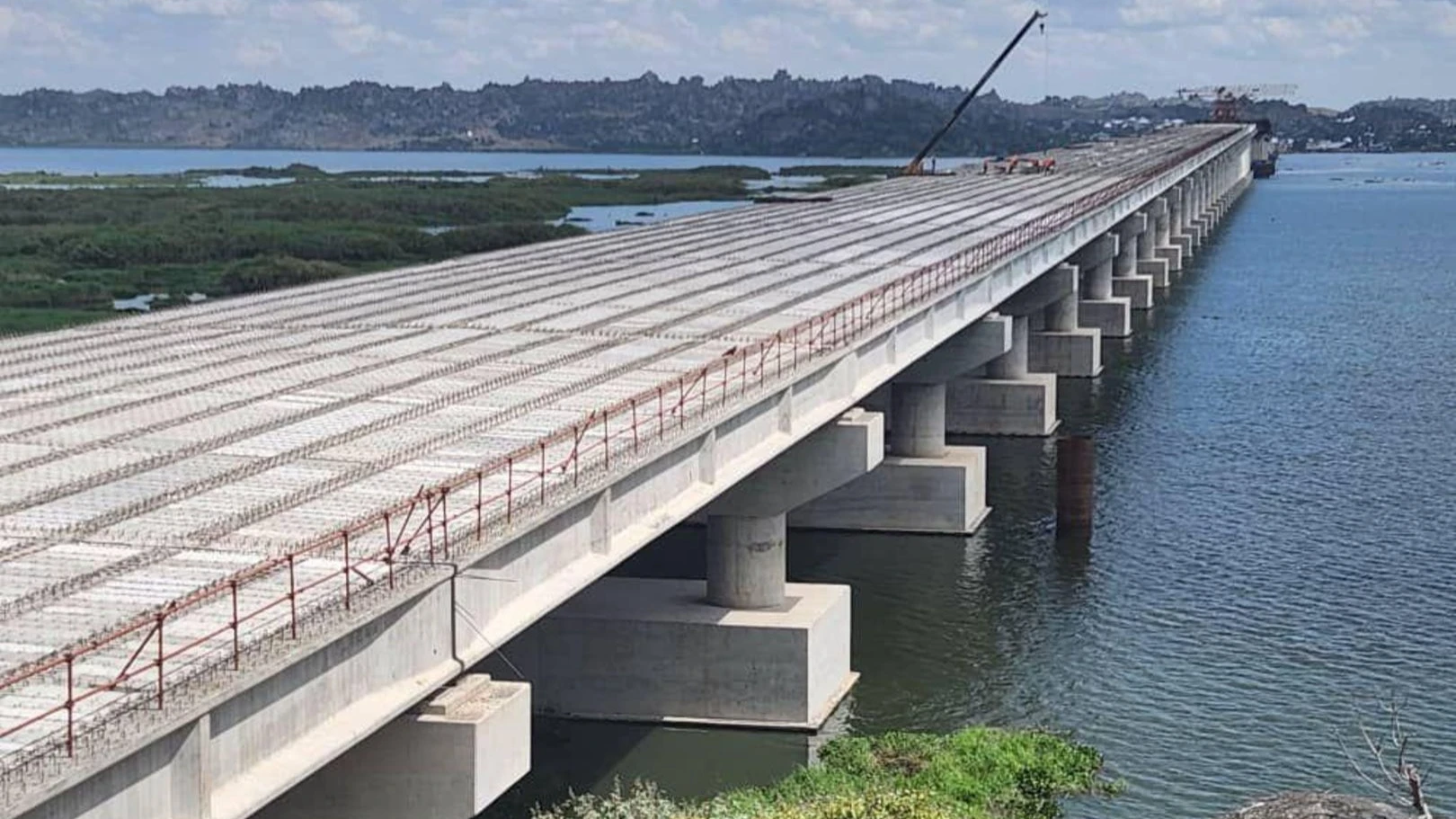
Tanzania is set to introduce innovative home-grown construction technologies designed to combat climate change by reducing greenhouse gas emissions, lowering energy consumption and promoting sustainable infrastructure development.
The technologies, developed by researchers at the University of Dar es Salaam (UDSM), are expected to improve the durability, stability and crack resistance of construction materials used in roads, bridges and residential buildings while supporting the country's transition to a low-carbon economy.
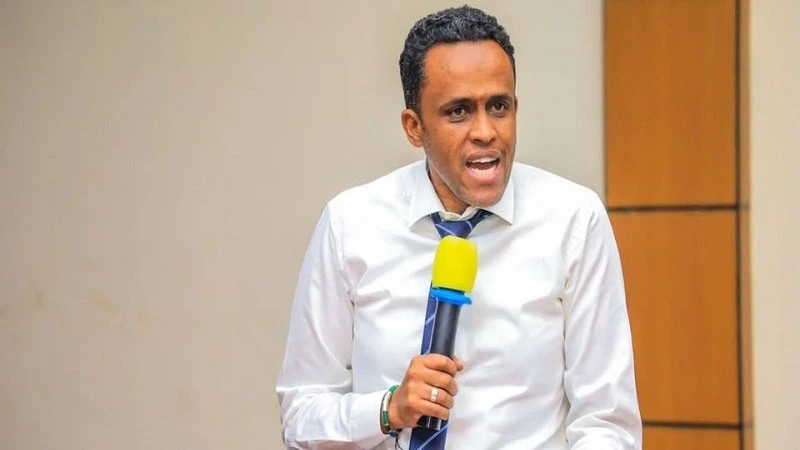
Speaking to journalists yesterday, Dr. MakunguMadirisha, a lecturer and researcher in the Department of Chemistry at UDSM's College of Natural and Applied Sciences, said the innovations are the result of collaborative work by four researchers seeking practical solutions to Tanzania's climate challenges.
"The technologies will produce more resilient infrastructure that requires less maintenance and performs better under changing climatic conditions," Dr. Madirisha said.
He said the innovations would also accelerate technology transfer and commercialization by encouraging their adoption within the construction industry, creating new economic opportunities and supporting sustainable national development.
Guided by the principles of green chemistry, materials science, environmental sustainability and the circular economy, the research team has developed a portfolio of technologies using Tanzania's abundant minerals, agricultural residues, industrial by-products and other underutilized resources.
According to Dr. Madirisha, converting these locally available materials into high-value products reduces dependence on imported, carbon-intensive construction materials while promoting resource efficiency, minimizing waste and strengthening local industries.
"This approach demonstrates how scientific research can transform indigenous resources into sustainable technological solutions that address environmental challenges, enhance industrial capacity and support Tanzania's transition to a climate-resilient economy," he said.
Among the innovations developed by the Department of Chemistry are Duracem, Duracem 1A, Novacem, FluoroGuard, Fluxen, BentoX-TZ, low-emission coal briquettes and GeoCatalytic environmental remediation materials.
Each technology has been designed to address specific challenges in sectors such as construction, renewable energy, agriculture, mining, water treatment and environmental restoration.
Dr. Madirisha highlighted Duracem, Duracem 1A and Novacem as the flagship technologies developed specifically to address climate change and improve construction practices.
Duracem is an advanced low-carbon construction binder designed as a sustainable alternative to conventional cement. Produced from locally available minerals and selected industrial by-products, it can be used in rigid pavements, bridges, structural concrete, precast products and other infrastructure requiring high strength and durability.
Laboratory tests have shown that Duracem achieves compressive strengths exceeding 100 megapascals while offering excellent resistance to acidic and saline environments. Its low permeability reduces moisture penetration, extending infrastructure lifespan and lowering maintenance costs.
Beyond its engineering performance, Duracem contributes to reducing greenhouse gas emissions by lowering dependence on conventional cement and promoting the use of local resources.
To facilitate commercial application, UDSM has partnered with Starpeco Company Limited to conduct field trials and validate the technology under real construction conditions.
The second innovation, Duracem 1A, is a stabilizing additive designed to improve cold bitumen emulsion mixtures used in road construction and maintenance. By strengthening the bond between bitumen and aggregates, the technology produces more durable pavements with greater resistance to moisture damage and heavy traffic loads.
Unlike conventional hot-mix asphalt, cold asphalt technology requires significantly less energy, reducing fuel consumption and greenhouse gas emissions while lowering construction costs. Improved pavement durability also translates into longer service life and reduced maintenance requirements.
Starpeco Company Limited has also collaborated with the university in field demonstrations of Duracem 1A to assess its performance under operational conditions.
Another major innovation is Novacem, described by the researchers as a versatile, low-carbon material platform capable of producing bricks, paving blocks, structural concrete, lightweight insulating panels, railway sleepers and artificial coral reef units.
The technology can be adapted for applications in housing, transport infrastructure, environmental restoration and climate-resilient construction.
Dr. Madirisha noted that climate change continues to threaten food security, water resources, infrastructure, public health and economic development worldwide through rising temperatures, prolonged droughts, floods, land degradation and increasing greenhouse gas emissions.
He said developing countries such as Tanzania are particularly vulnerable because of their heavy reliance on climate-sensitive sectors including agriculture, livestock, water resources, mining and construction.
Recognizing these challenges, UDSM has intensified research aimed at reducing greenhouse gas emissions, promoting efficient use of local resources, minimizing industrial waste and supporting the country's transition to a circular, low-carbon economy.
Rather than relying on imported technologies, the university has focused on developing home-grown scientific solutions tailored to Tanzania's environmental, industrial and socio-economic needs.
"The goal is to transform locally available resources into technologies that solve national challenges while contributing to global climate action," Dr. Madirisha said.
He added that the innovations demonstrate the potential of scientific research conducted in Tanzania to improve livelihoods, strengthen local industries and contribute to the achievement of the Sustainable Development Goals.
end
Top Headlines
Trending Stories












© 2026 IPPMEDIA.COM. ALL RIGHTS RESERVED