




Over 3,000 health staff to arrest maternal deaths in remote areas
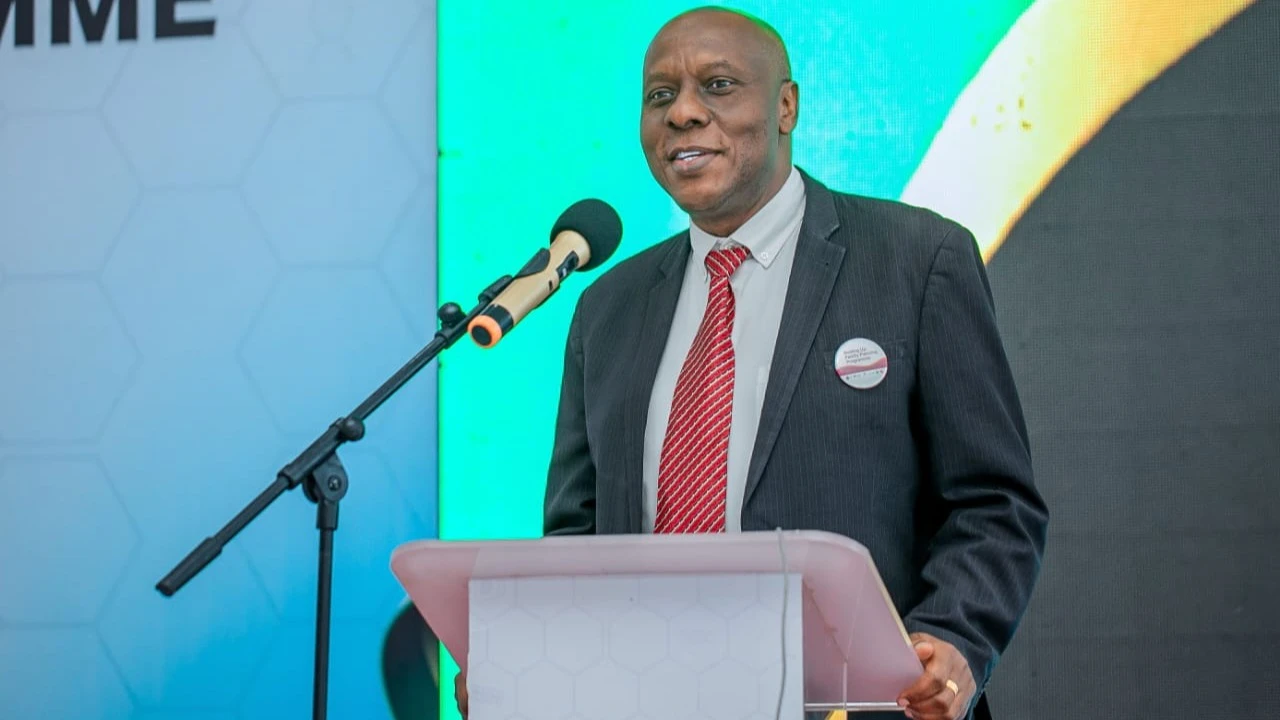
A TOTAL of 3,200 public healthcare providers across eight regions in Zanzibar and mainland Tanzania have been trained to strengthen maternal health services in hard-to-reach communities, marking a key milestone in efforts to reduce maternal deaths and improve access to sexual and reproductive health services.
The training, delivered under the nine-year Scaling Up Family Planning Programme (SuFP), has expanded access to information and services aimed at preventing unintended pregnancies and unsafe abortions among women and girls in underserved areas.
The programme held a learning symposium themed “Sustaining Gains Made in Sexual and Reproductive Health” to mark its close-out.
The initiative was funded by the United Kingdom’s Foreign, Commonwealth and Development Office (FCDO) and implemented by a consortium that included EngenderHealth, MSI Tanzania and the United Nations Population Fund (UNFPA), alongside partners such as CCBRT, the International Rescue Committee, Pathfinder International and DKT International.
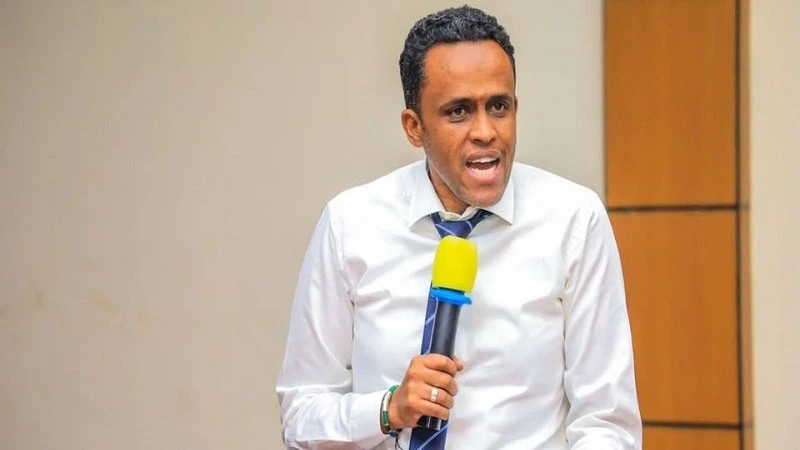
Dr Moke Magoma, EngenderHealth Public Health Specialist and Tanzania Country Representative, said the programme reached about seven million people over its lifespan. He noted that 18 percent of beneficiaries were adolescents and youth, while more than 20,000 were persons with disabilities.
Dr Magoma said the programme introduced a disability tracking system to monitor access to family planning services and identify barriers faced by persons with disabilities.
He added that it also strengthened the health workforce and contributed to institutional reforms, including the integration of sexual and reproductive health into medical training curricula.
He further said the initiative introduced localized training models that allow health facilities to convert on-site spaces into learning labs, enabling continuous professional development in areas where services are often limited.
The programme also integrated HIV screening into outreach services and strengthened referral systems for gender-based violence cases.
British High Commission Deputy Development Director, Will Guest, said UNFPA helped manage commodity stock-outs, expediting the delivery of vital Family Planning methods to ensure service continuity across Tanzania.
”Thanks to Engender Health’s policy influencing, the Comprehensive Health Education curriculum will now be taught in all 36 teacher training colleges across Tanzania – equipping a new generation of teachers with capability to give age-appropriate health education to children and adolescents,” he said
Despite this great success there is still much work to be done to expand Sexual Reproductive Health Services.
Since 2017, the proportion of women using contraceptive methods has barely changed - and unmet need remains at 21 percent.
This group is within our reach, but it will require sufficient availability of commodities and human resources to close this gap. The health workforce labour shortage stands at more than 50 percent, a critical barrier to service provision across Tanzania.
“We acknowledge the government commitment to release domestic financing for Family Planning commodities which for the current fiscal year, the amount allocated has amounted to $2.9m. But as you probably know, this is not enough as the financing gap for just FP commodities alone is at $12.6m for the rest of 2026,” he said.
Top Headlines
Trending Stories















© 2026 IPPMEDIA.COM. ALL RIGHTS RESERVED