




How precursor chemicals, illicit drugs weaken mental health and public safety
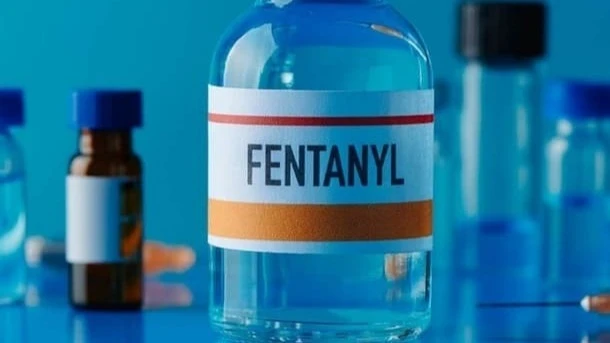
THE desire to escape stress, boost confidence or simply experience a temporary sense of euphoria has driven millions of people worldwide to experiment with illicit drugs.
While users often seek relaxation, increased energy or heightened confidence, medical experts warn that these short-lived effects come at a devastating long-term cost to the brain, mental health and society.
Cannabis is commonly used by individuals seeking relaxation, while stimulants such as cocaine are often abused by those hoping to increase alertness, energy and self-confidence. Others turn to illicit substances to overcome shyness, anxiety or social insecurity, believing the drugs help them perform better at work, in school or during public interactions.
Among young people, this misconception is particularly widespread. Teenagers and young adults, who make up a significant proportion of the workforce, are especially vulnerable to experimenting with drugs under the mistaken belief that the substances stimulate the brain, enhance creativity or improve social confidence.
Mental health specialists say these perceived benefits are temporary and misleading. Persistent drug abuse gradually damages the brain, disrupts emotional regulation and increases the risk of long-term psychiatric disorders, addiction and impaired decision-making.
Drug abuse also carries significant social consequences. Addiction frequently drives users into criminal behaviour, including theft, violent conduct and other illegal activities aimed at sustaining their dependence. Such crimes not only damage individual lives but also place enormous pressure on law enforcement agencies, healthcare systems and the criminal justice sector.
Beyond behavioural effects, illicit drugs inflict serious physical harm. Prolonged use can damage the brain and central nervous system while increasing the risk of heart disease, respiratory illness and certain cancers, particularly among individuals who smoke narcotic substances.
The overlooked danger of precursor chemicals
While the dangers of illicit drugs are widely recognised, health professionals and law enforcement agencies are increasingly raising concern over another emerging threat, precursor chemicals.
Precursor chemicals are substances used as raw materials in the manufacture of other chemical compounds. They play an essential role in legitimate industries, including pharmaceuticals, agriculture, mining, construction and scientific research. However, many of these chemicals are also key ingredients in the illicit manufacture of synthetic narcotic drugs.
Because of their dual use, precursor chemicals are strictly regulated under international conventions and national laws to prevent their diversion into illegal drug production.
Medical experts caution that many precursor chemicals are inherently hazardous. Exposure through inhalation, ingestion or skin contact can damage the body's organs and interfere with normal neurological function. Certain chemicals may cross the blood-brain barrier, trigger oxidative stress and damage neurons responsible for memory, concentration, emotional regulation and cognitive performance.
Scientists explain that deterioration of mental capability occurs when toxic substances interfere with the brain's communication networks. These disruptions affect the nervous system, which controls movement, sensation, memory, reasoning, emotional responses and other essential bodily functions.
Repeated exposure to toxic chemicals can impair attention, reduce learning ability, weaken judgement and contribute to long-term neurological disorders.
Global concern over synthetic drugs
The rapid growth of synthetic drug manufacturing has prompted governments and international organisations to tighten controls on precursor chemicals.
The United Nations Office on Drugs and Crime (UNODC) has strengthened international monitoring systems to prevent the diversion of industrial chemicals into clandestine drug laboratories. National drug enforcement agencies across the world have similarly intensified surveillance of imports, storage and transportation of regulated chemicals.
Tanzania has also strengthened enforcement efforts.
Two months ago, the Drug Control and Enforcement Authority (DCEA), working jointly with the Government Chemist Laboratory Authority (GCLA) and the Tanzania Revenue Authority (TRA), intercepted 66,048 litres of precursor chemicals believed to have the potential to manufacture large quantities of illicit drugs.
Authorities said the chemicals had allegedly been imported and transported in violation of established legal procedures, raising strong suspicions that they were intended for illegal narcotics production.
The consignment included 50,000 litres of Extra Neutral Alcohol (ENA) and 16,048 litres of Cyclohexanone, an industrial solvent internationally recognised as one of the precursor chemicals associated with the manufacture of synthetic narcotic drugs.
According to DCEA Commissioner General Aretas Lyimo, the seizure resulted from a special intelligence-led operation conducted in Dar es Salaam as part of ongoing efforts to combat narcotics trafficking and the illegal diversion of industrial chemicals.
He noted that increased international restrictions on narcotics trafficking have forced organised criminal networks to rely more heavily on precursor chemicals to manufacture drugs in hidden laboratories.
Although these substances have legitimate industrial applications, they become extremely dangerous when diverted into illegal production chains.
Protecting public health
Medical professionals also warn against the misuse of pharmaceutical products containing controlled chemical compounds.
Certain prescription medicines, particularly opioid-based medications used to relieve severe pain, are safe only when administered under strict medical supervision. Misuse or excessive doses can suppress breathing, cause overdose and, in severe cases, result in death.
Opioids are among the most addictive medicines because they activate powerful reward pathways in the brain, creating intense cravings that can quickly develop into dependency.
Psychiatrists note that both synthetic drugs and naturally derived narcotics—including cannabis, opium and their derivatives—can contribute to serious mental health disorders when abused over prolonged periods.
Drug addiction itself is recognised as a chronic medical condition characterised by compulsive drug use despite repeated harmful consequences. As dependence grows, users often experience anxiety, depression, irritability, emotional instability and impaired judgement.
The impact extends well beyond the individual user.
Communities affected by widespread drug abuse frequently experience increased cases of reckless driving, gender-based violence, child neglect, family breakdown and workplace absenteeism. Families often bear emotional and financial burdens as relatives struggle with addiction and its consequences.
Strengthening regulation and enforcement
Recognising these risks, Tanzania has strengthened legal measures governing narcotics and precursor chemicals.
Under Section 15(1)(a) of the Drug Control and Enforcement Act, individuals convicted of drug trafficking offences face prison sentences ranging from a minimum of 20 years to a maximum of 30 years.
The Industrial and Consumer Chemicals (Management and Control) Act, Chapter 182, also requires importers, transporters and users of industrial chemicals to obtain special permits and comply with strict regulatory procedures.
Using forged permits, providing false declarations or illegally transporting regulated chemicals constitutes a criminal offence under Tanzanian law.
These measures seek not only to disrupt criminal syndicates but also to protect legitimate industries that depend on controlled chemicals for lawful manufacturing and scientific purposes.
A shared responsibility
The fight against illicit drugs and precursor chemical diversion extends beyond law enforcement.
Public awareness, responsible regulation, effective border control and cooperation between government agencies, industry and communities remain essential in preventing dangerous chemicals from entering illegal supply chains.
Equally important is educating young people about the long-term neurological and psychological consequences of drug abuse. While illicit drugs may appear to offer temporary relief from stress or insecurity, the lasting effects often include addiction, declining mental capacity, damaged health and broken families.
As criminal networks continue searching for new ways to manufacture synthetic narcotics, controlling precursor chemicals has become one of the most important frontlines in protecting public health, preserving mental well-being and safeguarding communities from the growing global drug threat.
Top Headlines
Trending Stories
























© 2026 IPPMEDIA.COM. ALL RIGHTS RESERVED