




Family planning programme leaves lasting legacy of sparing many lives after 9 years
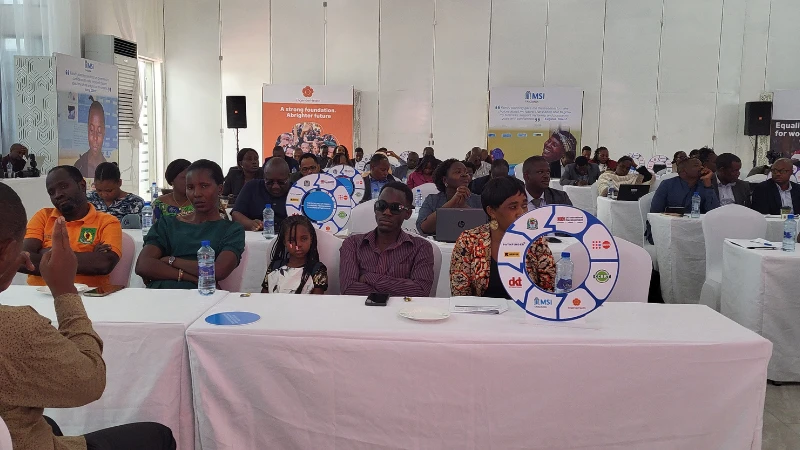
THE Scaling Up Family Planning (SuFP) programme has left behind significant achievements in maternal health, health systems strengthening and reproductive health service delivery after nine years of implementation across 22 regions of Tanzania Mainland and Zanzibar.
Funded by UK International Development, the programme was implemented through a consortium comprising Marie Stopes International (MSI) Tanzania, EngenderHealth and the United Nations Population Fund (UNFPA), in collaboration with local and international partners including Comprehensive Community Based Rehabilitation in Tanzania (CCBRT), the International Rescue Committee (IRC), Pathfinder International and DKT International.
Speaking during a reflection symposium in Dodoma over the weekend, the Chief Medical Officer in the Ministry of Health, Dr Grace Magembe, said the programme had made a substantial contribution to improving reproductive health services and reducing pressure on the country's healthcare system.
She noted that by enabling women and girls to make informed reproductive health choices, the initiative had strengthened community wellbeing, improved maternal health outcomes and contributed to broader socio-economic development
.According to figures presented during the symposium, the programme enabled approximately 5.2 million people to access modern family planning methods during its implementation period.
MSI Tanzania Director of Operations, Stephen Mutegeki, said the programme had recorded remarkable achievements in the12 regions where MSI Tanzania implemented activities over the past nine years.
“As the project implementer, we are very pleased with the achievements made in the regions where we have been implementing the programme.
The programme has strengthened access to family planning services, improved service quality and expanded access to reproductive health information for women, young people, persons with disabilities and underserved communities,” he said.
Mutegeki added that health workers and outreach teams played a critical role in ensuring services reached even the most remote communities, contributing to improved reproductive health outcomes and stronger health systems.
He said young people accounted for about 19 percent of all clients served by the programme, while investments in training, mentorship and institutional support helped strengthen the capacity of the public health system and ensure sustainability beyond the life of the project.
UNFPA Country Representative to Tanzania, Mark Schreiner, said SuFP investments in service delivery, commodity security and health systems strengthening enabled millions of women and couples to make informed reproductive choices and plan their families according to their needs.
He said the programme generated an estimated 16 million Couple Years of Protection (CYP), contributing to the prevention of about 8.3 million unintended pregnancies, 2.3 million unsafe abortions and 6,511 maternal deaths.
“These achievements have not only improved the health and wellbeing of women and families but have also contributed to reduced pressure on the health system, enhanced economic productivity, resilience and prosperity of communities across Tanzania,” Schreiner said.
He noted that family planning and sexual and reproductive health remain among the most strategic investments a country can make, as they contribute directly to improved maternal and child health, increased educational attainment, women’s economic participation, poverty reduction and long-term economic growth.
“By enabling women and couples to make informed reproductive choices and improving access to quality sexual and reproductive health information and services for adolescents and young people, the SuFP programme has contributed to stronger human capital development in Tanzania,” he said.
According to Schreiner, the programme has helped keepgirls in school, improve health outcomes, reduce preventablematernal deaths and support healthier and more productive families while advancing the Sustainable Development Goals, FP2030 commitments and the aspirations of Tanzania’s Vision 2050.
He stressed that sustaining gains in sexual and reproductive health, family planning and maternal health requiresmore than project-based investments, calling for stronger domestic financing, reliable supply chains, robust health information systems, a welltrained workforce and effective governance structures.
“As Tanzania looks ahead, increasing and sustaining domestic resource allocation for health while continuing to strengthen health system capacity and resilience will be essential to protecting hard-won gains and ensuring uninterrupted access to essential services,” he said.
British High Commission Deputy Development Director,Will Guest, said adolescents continue to face significant challenges globally, noting that 12 million girls worldwide are married before their 18th birthday every year.
He said that in Sub-Saharan Africa, fewer than one-third of girls complete secondary school, while in Tanzania about 22 percent of girls become pregnant before the age of 19.
“These challenges exist against a backdrop of geopolitical conflicts, rapid population growth and the climate crisis. The Scaling Up Family Planning programme was designed to address many of these issues in Tanzania, and tremendous progress has been achieved,” Guest said.
He noted that through the programme, 5.2 million women and girls accessed family planning methods, more than 6,500 maternal deaths were averted and 8.3 million unintended pregnancies were prevented, giving women and girls greater control over their reproductive choices.
“We need to continue working together to expand access to quality sexual and reproductive health and rights services, tackle inequalities and stigma, strengthen the health workforce and reduce adolescent pregnancy rates,” he added.
Stakeholders at the symposium also highlighted the role played by Regional Medical Officers, Council Health Management Teams, Community Health Workers and civil society organisations in ensuring the programme’s success.
Top Headlines
Trending Stories













© 2026 IPPMEDIA.COM. ALL RIGHTS RESERVED