




Between tradition and the law: The cost of Denying reproductive rights to schoolgirls
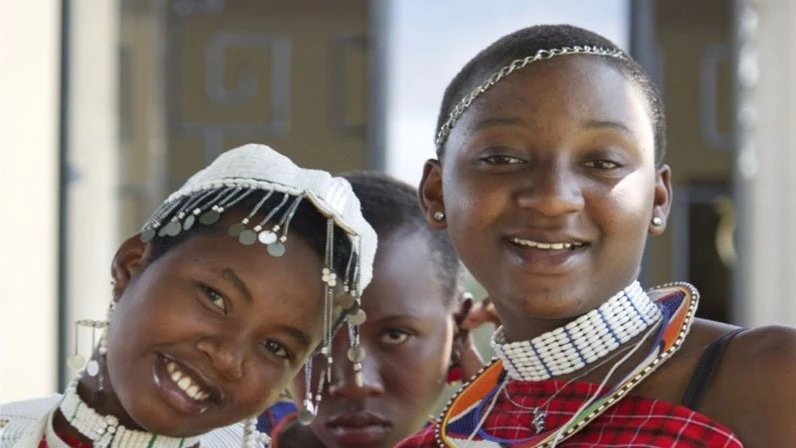
I was not chased away from home, but the pain and stigma I experienced were overwhelming. At that age, I felt as though I had disappointed everyone around me and ruined my future. The judgment came from many directions: people talked about me, looked at me differently and made me feel ashamed for becoming pregnant.
What hurt me most was losing my education. Once I became pregnant, my schooling effectively ended. In our communities and families, it is still uncommon for girls to return to school after pregnancy. While others continued with their studies and pursued their dreams, I was left behind. I often felt frustrated and hopeless, wondering how different my life would have been if I had a second chance. The stigma of teenage pregnancy did not end with childbirth; it continued to follow me, affecting my confidence, opportunities, sense of belonging and being called a "single mother" hurt me the most," Sophia shared.
Sophia Daniel and Irene Obedi are young girls from the Maasai community in Tanzania's Arusha Region who became pregnant as teenagers. They dropped out of school and entered motherhood before fully understanding their own bodies, contraception, or reproductive health.
"It is taboo for parents or any adult in my community to talk about sexual issues. There is a belief that discussing such topics encourages teenagers to engage in prostitution and other sexual activities," said Irene.
Their experiences reflect a broader challenge facing many young girls across East Africa, where cultural norms, inadequate sexuality education and restrictive laws continue to shape reproductive choices and educational opportunities.
Tanzania records approximately 132 births per 1,000 girls aged 15–19, with nearly 27 percent of girls aged 15–19 having begun childbearing, according to the Tanzania Demographic and Health Survey (TDHS 2015–16).
Tanzania is experiencing one of the highest adolescent fertility rates in Sub-Saharan Africa, with adolescent childbearing remaining a significant public health and development challenge.
Until 2021, pregnant schoolgirls in Tanzania faced exclusion from formal education, a policy widely criticized by human rights organizations for undermining girls' right to education and reproductive autonomy.
While pregnant students are forced out of school, Tanzania’s restrictive abortion laws leave them with few alternatives, creating a cycle that can permanently derail their education and future aspirations.
Francis Nyonzo, a women's rights activist, says that among the Luguru people of Tanzania's Morogoro Region, there was traditionally a cultural practice of caring for girls after their first menstruation for several years before marriage.
“The credo originally rested with close female relations (aunts), but in today’s world the mantle usually falls on biological parents, though not all of them do it well,” he said.
Nyonzo believes that comprehensive sexuality education and access to safe abortion services are essential to protecting girls' futures.
“I advocate for the free provision of sex education and safe abortion because they are women's rights. Women have lives and dreams, and unplanned pregnancies should not prevent young girls from achieving them,” he said.
Many girls lack basic information about sexual and reproductive health and often rely on unreliable sources for guidance.
Advocates say there are few safe and confidential spaces where adolescents can access accurate information that considers their privacy, psychological wellbeing and emotional needs.
Supporters of reproductive rights argue that contraceptive use should be normalised as a means of preventing unintended pregnancies and sexually transmitted infections. They also contend that access to safe abortion services would reduce deaths and injuries caused by unsafe procedures.
Tanzania's legal framework, however, remains highly restrictive. Section 152 of the Penal Code criminalises the supply of items intended for abortion, making access to safe procedures difficult and, according to activists, pushing some women toward unsafe alternatives.
Although Sexual and Reproductive Health (SRH) education is included in Tanzania’s secondary school curriculum, knowledge gaps remain. A 2024 study found that many students have a limited understanding of SRH, which may contribute to risky sexual behaviors, unintended pregnancies and other adverse reproductive health outcomes. The study recommends strengthening comprehensive, age-appropriate SRH education and linking students to youth-friendly health services to better support informed decision-making. However, critics argue that the criminalisation of abortion limits the effectiveness of such education by preventing open discussions about all reproductive health options.
United Nations Committee on Economic, Social and Cultural Rights (CESCR). (2016). General Comment No. 22 on the right to sexual and reproductive health (Article 12 of the International Covenant on Economic, Social and Cultural Rights), E/C.12/GC/22, recommends that states repeal laws, policies and practices that criminalise, obstruct or undermine access to sexual and reproductive health services, facilities, goods and information.
Yet discussing abortion remains highly sensitive in Tanzania. I contacted a doctor working with a women's rights organisation, but he declined to comment extensively on the issue. His reluctance, activists say, reflects the fear many professionals face when discussing safe abortion in a country where the practice remains both socially taboo and legally restricted.
Even within schools, gaps remain. Although some institutions have established gender desks, these are often not staffed by professionals trained in gender or sexuality issues.
Kelvin Karanangwa, a secondary school teacher in Tanzania's Pwani Region, views abortion as an illegal act, particularly for girls who choose to terminate pregnancies because they are not mentally or financially prepared for parenthood.
As a result, sexuality and reproductive health topics are frequently taught by teachers whose views may be influenced by cultural beliefs that discourage open discussion of these issues. Critics argue that this can limit the quality and relevance of the information students receive.
“There is a need to establish special sexual and reproductive health consultation desks in schools, staffed by trained professionals who can fill the existing gap. This would allow students to seek advice and ask questions about their bodies whenever they need information or support,”
Tanzania's laws further complicate the situation. Sections 150 and 151 of the Penal Code, Cap. 16 R.E. 2023 criminalise abortion. The sections prohibit any person from assisting in procuring of a pregnancy or any woman from procuring her own pregnancy. This is punishable by imprisonment for 14 years and 7 years respectively. Under Section 219, a woman may face severe penalties for terminating a pregnancy after 28 weeks, an offence classified as "child destruction." The punishment is life imprisonment.
In addition, Section 60A of the Education Act, Cap. 353 R.E. 2023, as amended by the Written Laws (Miscellaneous Amendments) Act No. 4 of 2016, prohibits pregnancies among schoolgirls.
Critics argue that the combined effect of these laws leaves pregnant students with limited choices: they cannot legally access abortion services in most circumstances and may also lose their opportunity to continue their education. Regardless of the school re-entry option, the question is; given the real situation of Tanzanians, the hardships and the responsibilities of raising a child, does allowing this girl to continue study properly?
While Tanzanian law imposes penalties of up to 30 years imprisonment on individuals who impregnate schoolgirls, advocates argue that punishment alone does not address the educational disruption experienced by the girls themselves.
For campaigners, the debate over abortion extends beyond reproductive rights. They argue that access to reproductive healthcare is closely linked to girls' ability to remain in school, pursue their ambitions and exercise control over their futures.
In that sense, they say, the right to abortion is not only a reproductive rights issue but also an education rights issue.
Esuvath Daniel is a journalist focused on gender & sexuality, SRHR and she's advocating for minority rights and elevates underrepresented voices through impactful storytelling.
She can be reached via email: esuvathdaniel111@gmail.com
Top Headlines
Trending Stories





© 2026 IPPMEDIA.COM. ALL RIGHTS RESERVED