




Women in Pemba supported with equipment for seaweed farming
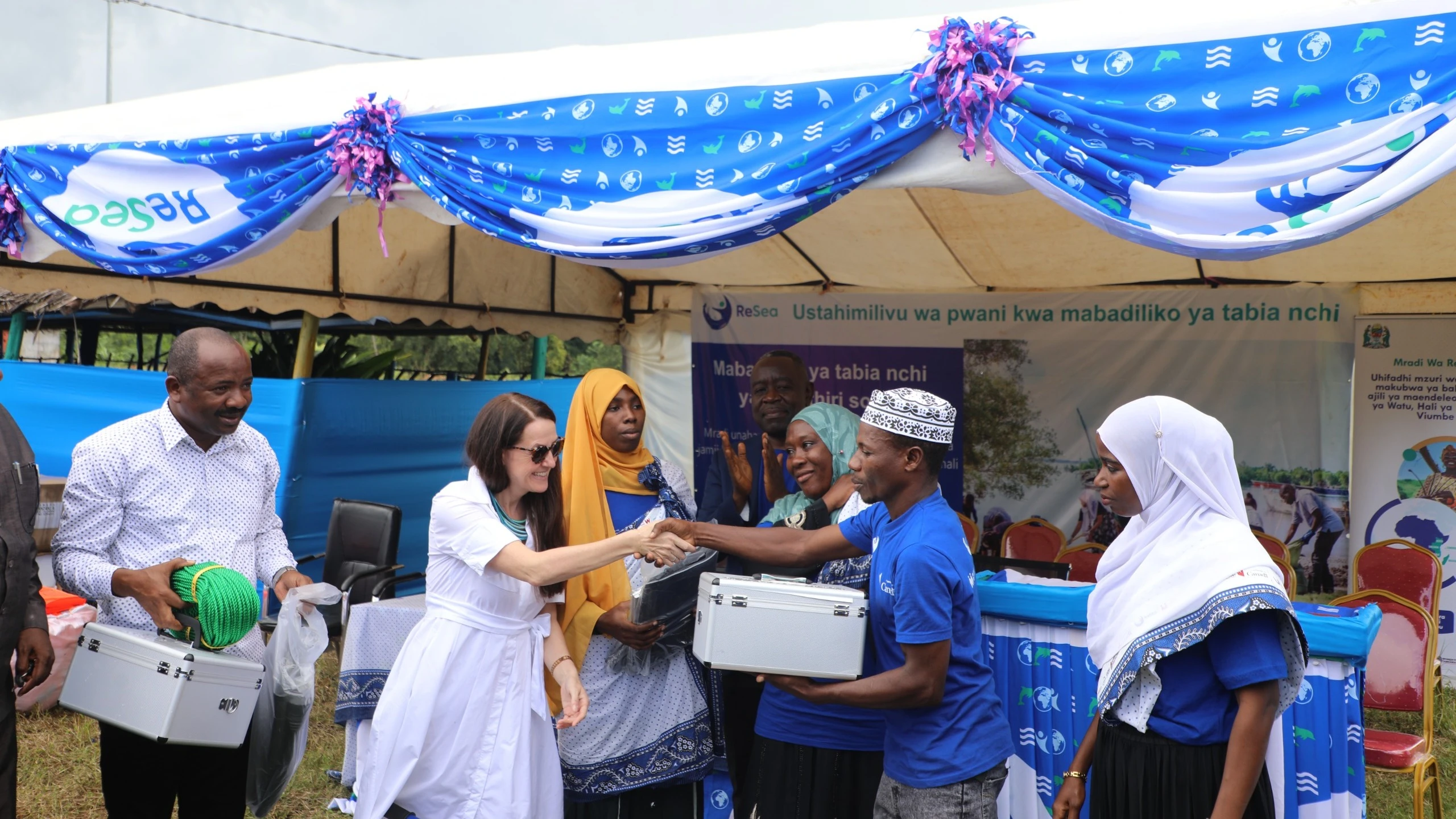
WOMEN led blue-economy groups, youth, and coastal communities in Pemba Island engaged in seaweed farming have a reason to smile after receiving productive equipment worth 280mn/- to strengthen resilient coastal livelihoods and promote sustainable marine resource management.
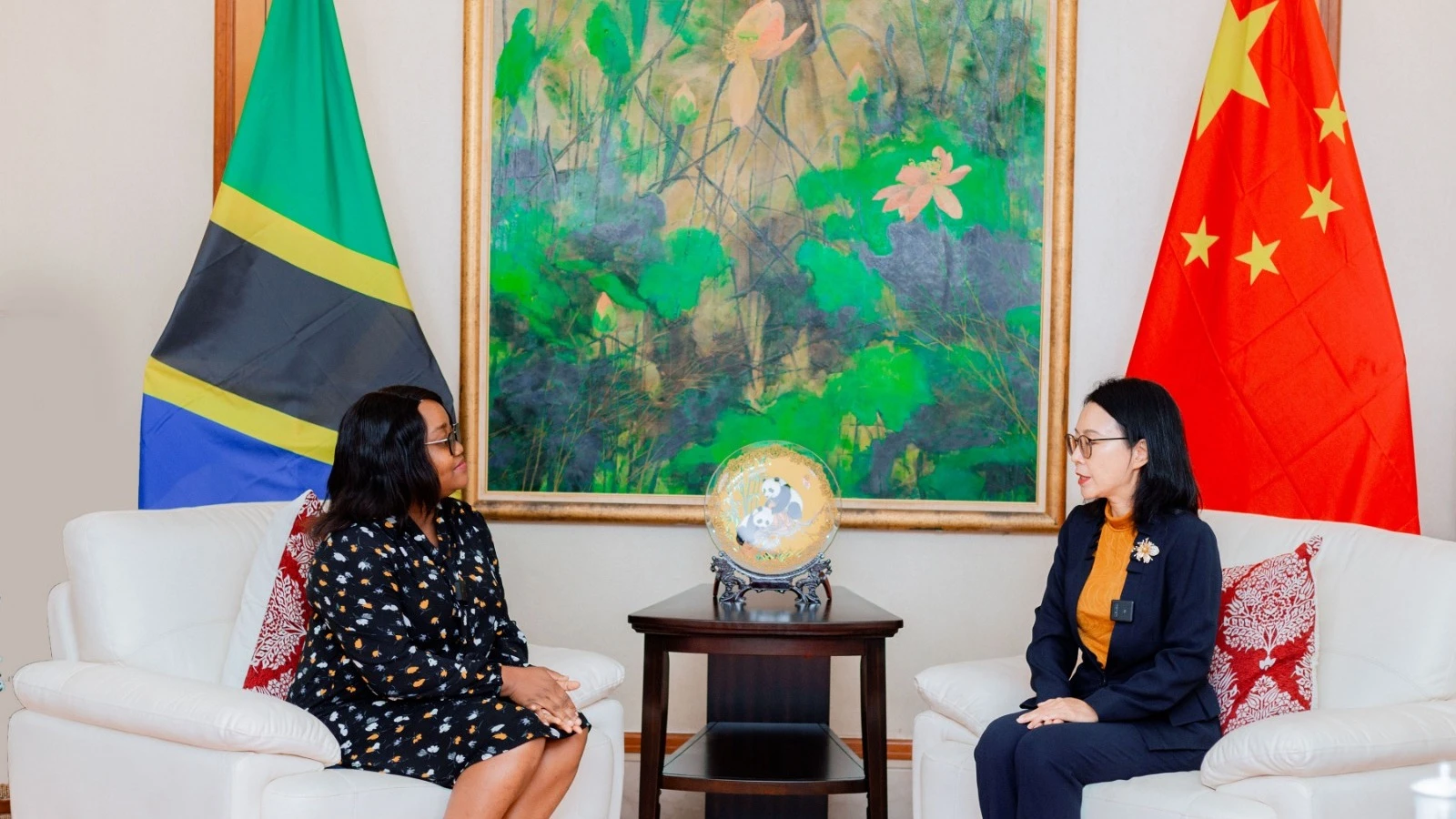
Emily Burns, High Commissioner of Canada to Tanzania says this last week that the support will enable them to take advantage of the blue economy opportunities available in their local communities, improve their livelihoods, create jobs, and scale up innovative solutions that promote healthier marine ecosystems
Additionally, these efforts will benefit both people and marine ecosystems for generations to come.
The investment has been made possible through Canada-based Mission Inclusion under the Regenerative Seascape for People, Climate, and Nature (ReSea) Project, with funding from Global Affairs Canada.
“Canada is proud to support the ReSea Project in Tanzania, led by Canada-based Mission inclusion and its partners. Through Partnering for Climate, we back community-led, gender-responsive adaptation. Across the Tanga-Pemba Seascape, from the new blue economy enterprises to the Chamanangwe Community Learning Centre, coastal communities are strengthening their own climate resilience and protecting the ecosystems they depend on,” said Burns.
The equipment package includes farming and processing machinery, safety gear, transport and storage facilities, weighing scales, office equipment, record-keeping materials, security items, and promotional resources.
These productive assets will enable the enterprises to increase production, improve product quality, strengthen workplace safety, and expand their access to local and regional markets.
"Canada is proud to partner with Tanzania in building a more inclusive and sustainable blue economy. By investing in women, young entrepreneurs, and coastal communities, we are helping create resilient livelihoods that not only improve incomes but also contribute to the long-term protection of our shared marine resources," she said.
The investment will benefit 12 community enterprises operating across the Tanga–Pemba Seascape under the ReSea Project's Blue People pillar, implemented by Mission Inclusion in partnership with Women Fund Tanzania Trust (WFTT) and OceanHub Africa.
The initiative reflects Canada's continued commitment to inclusive economic development by strengthening the livelihoods of coastal women and youth while promoting the sustainable management and protection of marine ecosystems, said Burns.
Reflecting on the project's strategic investments, Perpetua Angima, Chief of Party for Mission inclusion, emphasized the transformative nature of this support:
“This equipment is more than a tangible resource; it is an investment in innovation, entrepreneurship, and the long-term sustainability of local businesses.
With the support of Global Affairs Canada, Mission inclusion has invested in Pemba’s enterprises to improve livelihoods, create jobs, improve incomes, and scale innovative solutions for healthier marine ecosystems, benefiting both people and marine ecosystems for generations to come,” she said.
Building capacity, strengthening governance, and empowering women
Beyond equipment provision, the initiative is complemented by practical training and capacity strengthening for lasting impact.
Through technical mentorship, entrepreneurship training, market linkages, and productive asset support, the project has strengthened 12 Blue Economy Enterprises representing 259 members, the majority of whom are women and youth.
She named some of the equipment donated to the groups as three motorcycles, two seaweed grinding machines, eight modern fibre boats, eight Yamaha boat engines, 12 first aid kits, two aquaculture thermometers, four heavy-duty weighing scales, 12 sets of office equipment (including cupboards, office chairs, and tables), 12 laptops, 10 cooler boxes, 12 heavy-duty tarpaulins, 100 crab cages,
Highlighting the deeper social impact of this support, Rose Marandu, Executive Director of WFT-T, noted: “True economic empowerment is rooted in dignity, justice, and equal opportunity. Equipment support is a deliberate investment in dismantling structural barriers that have historically limited women’s productivity and leadership.
“When women gain access to productive resources, they gain far more than economic opportunities they gain confidence, voice, agency, and the power to shape decisions that affect their families and communities,” she said
In addition to supporting sustainable livelihoods, the project has strengthened 28 Beach Management Units (BMUs) and Shehia Fisheries Committees across the Tanga–Pemba Seascape, enhancing inclusive participation in marine governance and the sustainable management of coastal and marine resources.
Furthermore, the ReSea Project has reinforced marine governance across the Tanga-Pemba Seascape by strengthening 28 Beach Management Units (BMUs) and Shehia Fisheries Committees.
This fosters inclusive participation in marine resource management and empowers local communities to protect the ecosystems they depend on.
Elaborating on the Launch of the Chamanangwe Community Learning Centre, he said that the handover ceremony also served as the official launch of the Chamanangwe Community Learning Centre.
This new facility will act as a hub for capacity building, knowledge exchange, and innovation on Nature-based Solutions for Adaptation (NbSA), supporting communities and local leaders in developing practical solutions for climate resilience.
“The equipment handed over in Pemba is now in the hands of the women and youth leading this work.
Through the ReSea project, with support from the Government of Canada under Partnering for Climate, Mission inclusion has backed them as they build 12 blue economy enterprises and strengthen marine governance through 28 Beach Management Units and Shehia Fisheries Committees across the Tanga-Pemba Seascape.
With the new Chamanangwe Community Learning Centre, these are results the communities will carry well beyond the project. That is climate inclusion in practice,” said Andreanne Martel, ReSea Project Director, Mission inclusion.
As part of the celebrations in Tanzania, the project will also officially launch the Chamanangwe Community Learning Centre, a facility established to serve as a hub for capacity building, knowledge exchange, innovation, and learning on Nature-based Solutions for Adaptation (NbSA).
The centre will support communities, local leaders, and stakeholders in developing practical solutions that strengthen climate resilience while conserving coastal ecosystems.
Additionally the celebrations showcased the power of collaboration between coastal communities, government institutions, implementing partners, and the Government of Canada.
The event underscores the importance of partnerships in advancing regenerative blue economy development and strengthening community resilience in the face of climate change.
According to her, the Regenerative Seascapes for People, Climate and Nature (ReSea) Project works to improve the physical and socio-economic resilience of coastal communities in Kenya, Tanzania, Mozambique, Madagascar, and Comoros through inclusive governance of marine and coastal ecosystems, Nature-based Solutions for climate adaptation, and sustainable blue economy opportunities for women and youth I in Tanzania.
Currently the Project is being implemented by Mission inclusion, the International Union for Conservation of Nature (IUCN), and Women Fund Tanzania-Trust.
Today's milestone is part of Canada's broader commitment to climate adaptation and inclusive international assistance. Through the Partnering for Climate program, the Government of Canada supports the ReSea Project's work.
Top Headlines
Trending Stories









© 2026 IPPMEDIA.COM. ALL RIGHTS RESERVED