




DSM develops Fluxen tech to upgrading biogas, boosting clean energy efficiency
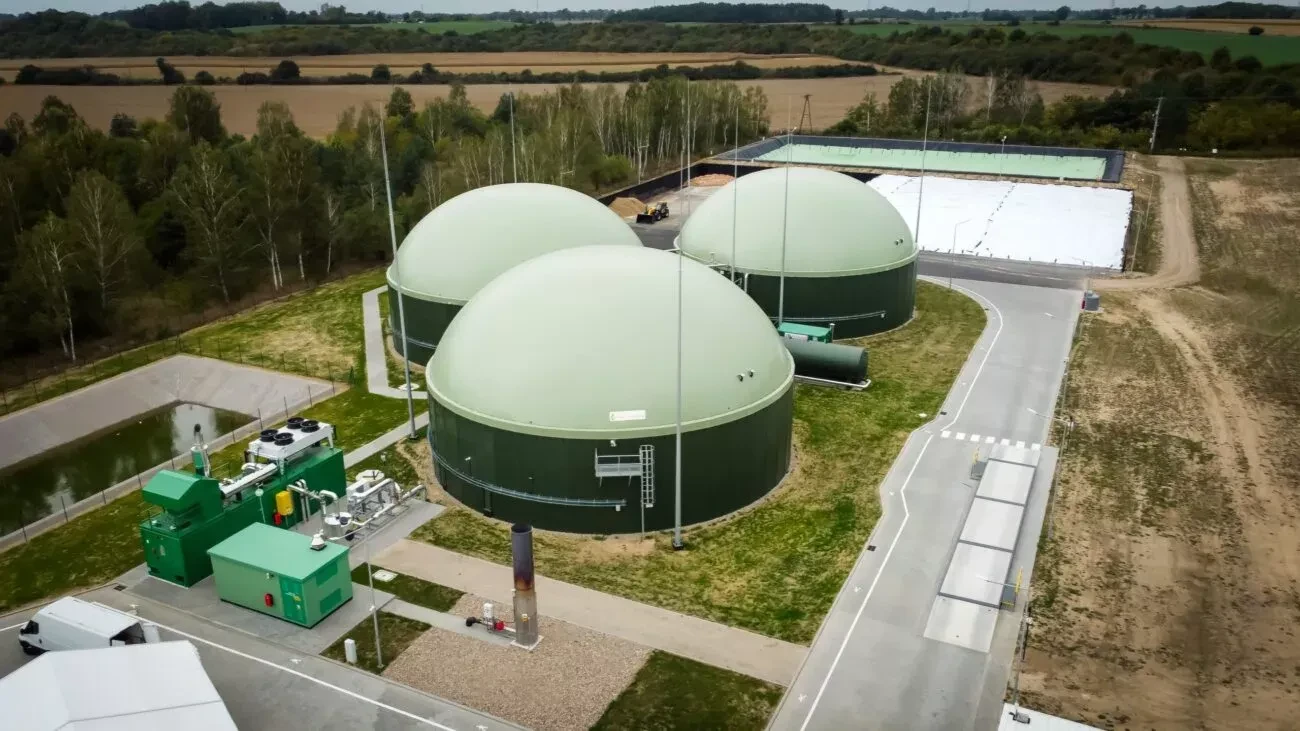
The University of Dar es Salaam University of Dar es Salaam has developed a new biogas upgrading innovation that could significantly improve clean energy access and efficiency across Tanzania, as researchers intensify efforts to turn locally available scientific solutions into practical climate and energy technologies.
The innovation, known as Fluxen, has been developed by researchers from the university’s Department of Chemistry with the aim of improving the quality of biogas by increasing its methane concentration and removing impurities such as carbon dioxide. The technology is part of broader national and institutional efforts to promote renewable energy use, reduce reliance on fossil fuels, and support a more sustainable energy transition.
Fluxen was developed under the leadership of Dr. Makungu Madirisha, a senior lecturer and Principal Investigator at the University of Dar es Salaam University of Dar es Salaam, working alongside Dr. Regina Peter Mtei and Ms. Happyness Lyakundi, who served as co-principal investigator and lead postgraduate researcher respectively.
According to the research team, Fluxen addresses one of the major limitations of raw biogas: its relatively low methane concentration due to the presence of carbon dioxide and other unwanted gases. These impurities reduce the energy content of biogas and limit its efficiency in cooking, heating, and other applications. By selectively removing these components, Fluxen increases methane concentration, thereby improving the calorific value and overall performance of biogas systems.
The technology uses specially engineered adsorbent materials to purify raw biogas. A key feature of the innovation is its reliance on locally available materials, which not only reduces production costs but also enhances sustainability by promoting local value addition and manufacturing capacity. This approach is designed to make advanced energy upgrading systems more accessible to households, farms, schools, and small industries.
Fluxen is intended for decentralized use, meaning it can be applied in small-scale systems without requiring large industrial infrastructure. Potential users include households, livestock farms, educational institutions, agro-processing facilities, and other small enterprises that rely on biogas for daily energy needs. By improving the quality of biogas produced from organic waste, the technology also supports better utilization of agricultural residues, livestock manure, and food waste.
Dr. Makungu Madirisha explained that the innovation demonstrates how sustained investment in scientific research can generate practical technologies that respond to national development priorities. He noted that Fluxen also reflects the importance of integrating academic research, postgraduate training, and strategic partnerships in producing scalable solutions to real-world challenges.
A significant part of the development process was the contribution of Ms. Happyness Lyakundi, whose Master’s degree research focused on the development, optimization, and pilot evaluation of the technology. Her work provided critical data on system performance under different operating conditions and helped validate the efficiency of the adsorbent materials used in the upgrading process.
To test the technology under real-world conditions, Fluxen was piloted at the ECHO East Africa Impact Center in Arusha ECHO East Africa Impact Center. The pilot demonstration marked an important milestone in the development of the innovation, confirming its technical feasibility and effectiveness outside laboratory settings.
Results from the pilot evaluation showed that Fluxen significantly improved the quality of biogas. Depending on the adsorbent materials and operating conditions, methane concentration increased from between 10–34 percent in untreated biogas to between 82–95 percent in upgraded biogas. This marked improvement translates into higher energy output, better combustion efficiency, and more reliable performance for end users.
The researchers say this enhancement in methane content is critical for expanding the usability of biogas as a mainstream renewable energy source. Higher methane concentration means that users can obtain more energy from the same volume of biogas, reducing waste and improving cost-effectiveness for households and institutions that depend on it.
Beyond energy efficiency gains, Fluxen also contributes to climate change mitigation efforts. By improving the efficiency of renewable energy systems and promoting the productive use of organic waste, the technology helps reduce greenhouse gas emissions that would otherwise result from waste decomposition and the use of conventional fuels.
The innovation also aligns with Sustainable Development Goal 7, which focuses on ensuring access to affordable, reliable, sustainable, and modern energy for all, as well as Sustainable Development Goal 13, which calls for urgent action to combat climate change and its impacts.
Dr. Regina Peter Mtei emphasized that the Government of Tanzania continues to promote renewable energy adoption as part of its broader strategy to expand energy access and support environmental sustainability. She noted that biogas is particularly important in this context because it allows households and institutions to convert organic waste into useful energy for cooking, heating, and electricity generation.
However, she also highlighted that raw biogas typically contains significant amounts of carbon dioxide and other impurities, which reduce its energy value and limit its efficiency. This makes upgrading technologies such as Fluxen essential for maximizing the potential of biogas as a reliable energy source.
The development of Fluxen also highlights the role of universities in driving innovation-led development. Through research, training, and partnerships, academic institutions are increasingly contributing to home-grown technologies that address local challenges while supporting national development goals.
Researchers involved in the project argue that Fluxen demonstrates the value of combining scientific expertise with practical implementation pathways. By moving from laboratory research to pilot demonstration, the innovation shows how academic work can transition into scalable technologies with real-world impact.
The successful pilot at the ECHO East Africa Impact Center further underscored the importance of collaboration between universities and development partners in advancing renewable energy solutions. It also provided valuable operational data that will support further refinement and potential commercialization of the technology.
According to the research team, Fluxen represents not only a technological breakthrough but also a model for how Tanzania’s innovation ecosystem can evolve. By leveraging locally sourced materials and academic expertise, the technology supports cost-effective and sustainable energy solutions tailored to local conditions.
From household kitchens to agricultural enterprises, the potential applications of upgraded biogas are wide-ranging. Improved combustion efficiency means cleaner burning, reduced fuel consumption, and greater energy reliability for users who depend on decentralized energy systems.
Ultimately, Fluxen stands as an example of how Tanzanian science is increasingly contributing to solutions for energy security, climate resilience, and sustainable development. It reflects a growing shift toward innovation-driven growth, where local research institutions play a central role in shaping the country’s energy future.
As Tanzania continues to expand its renewable energy portfolio, innovations such as Fluxen are expected to play an important role in supporting the transition to cleaner and more efficient energy systems, while also strengthening the link between research, industry, and national development priorities.
Top Headlines
Trending Stories

















© 2026 IPPMEDIA.COM. ALL RIGHTS RESERVED